
Last updated November 23, 2026
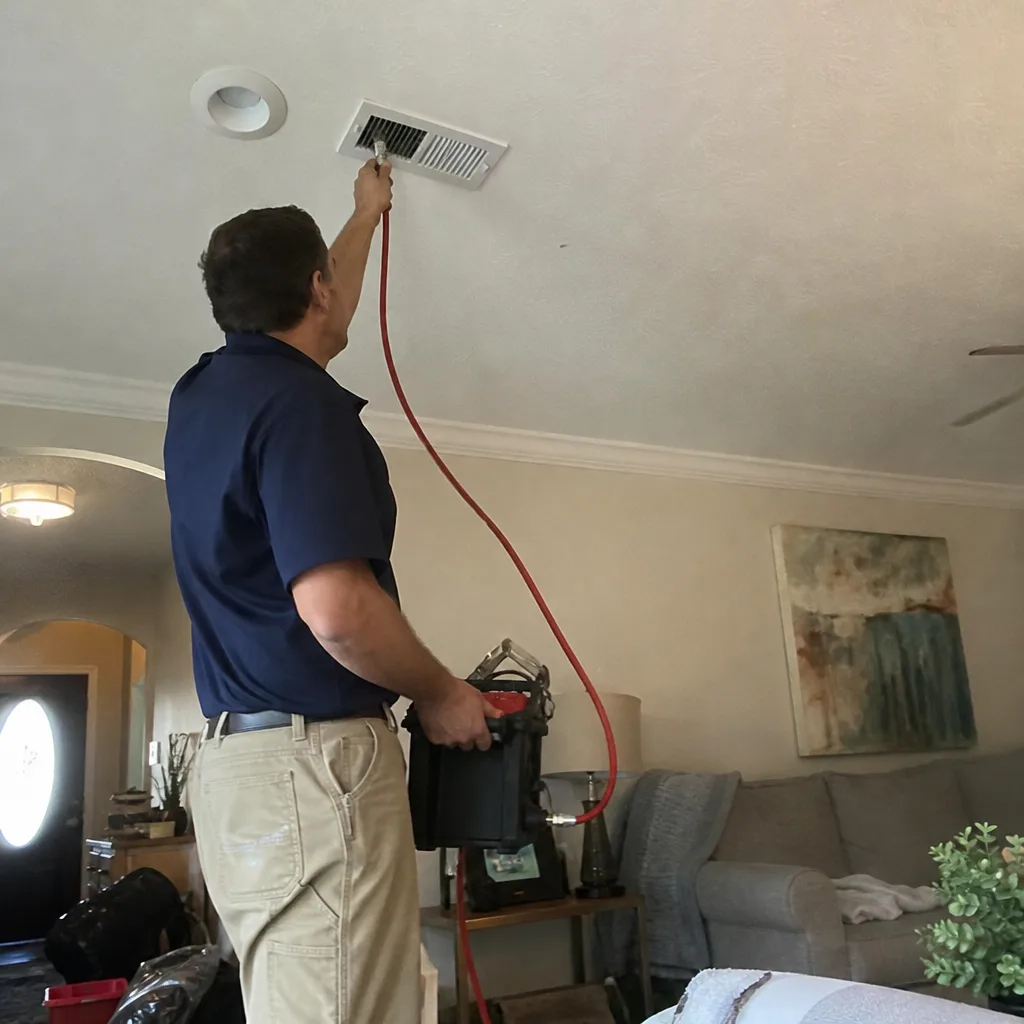
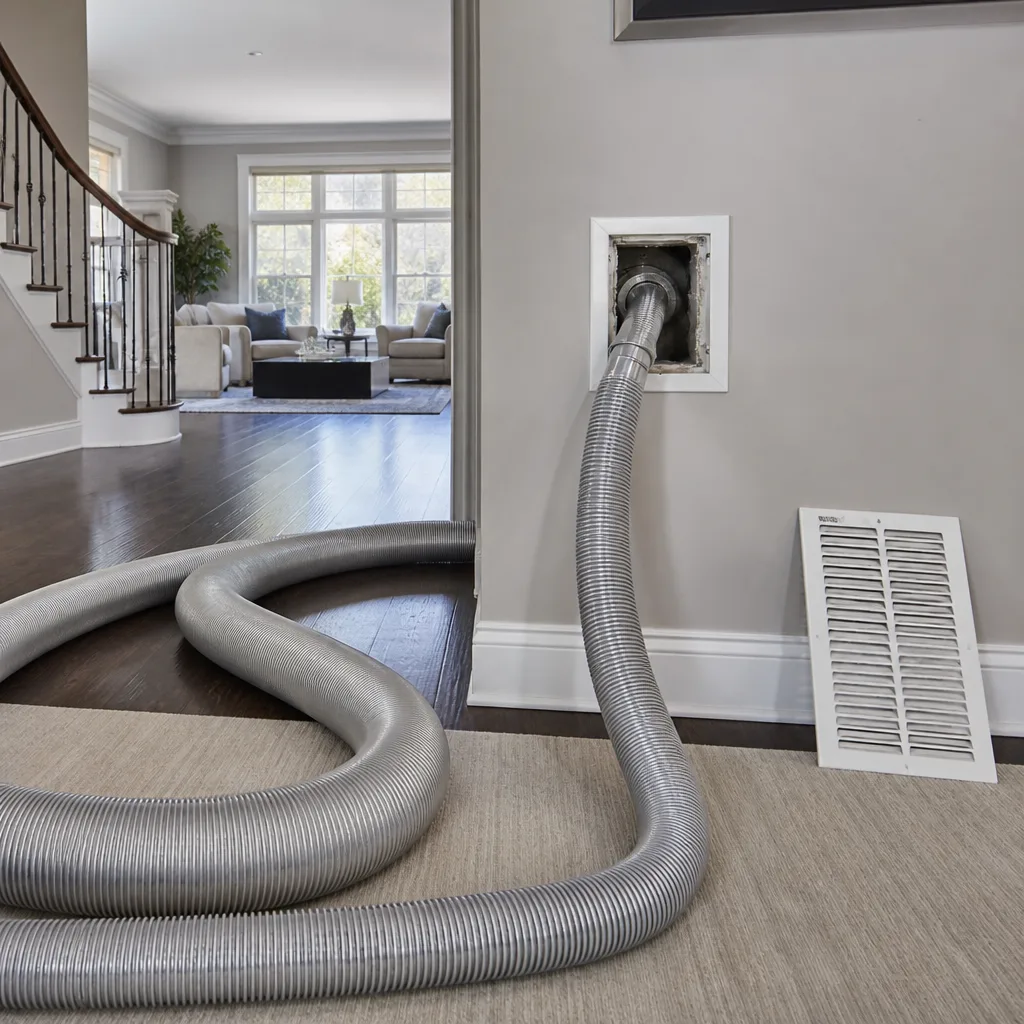 Whole-home duct cleaning
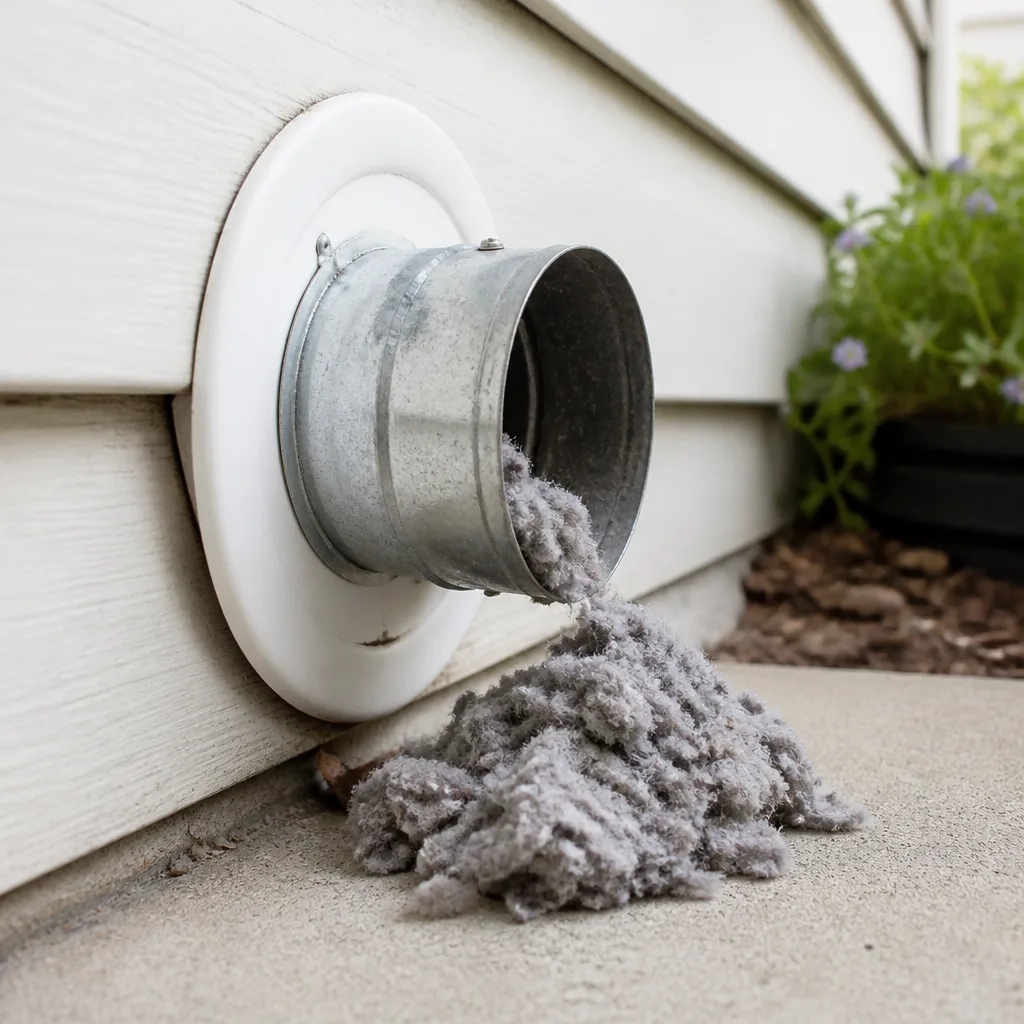 Dryer vent cleaning
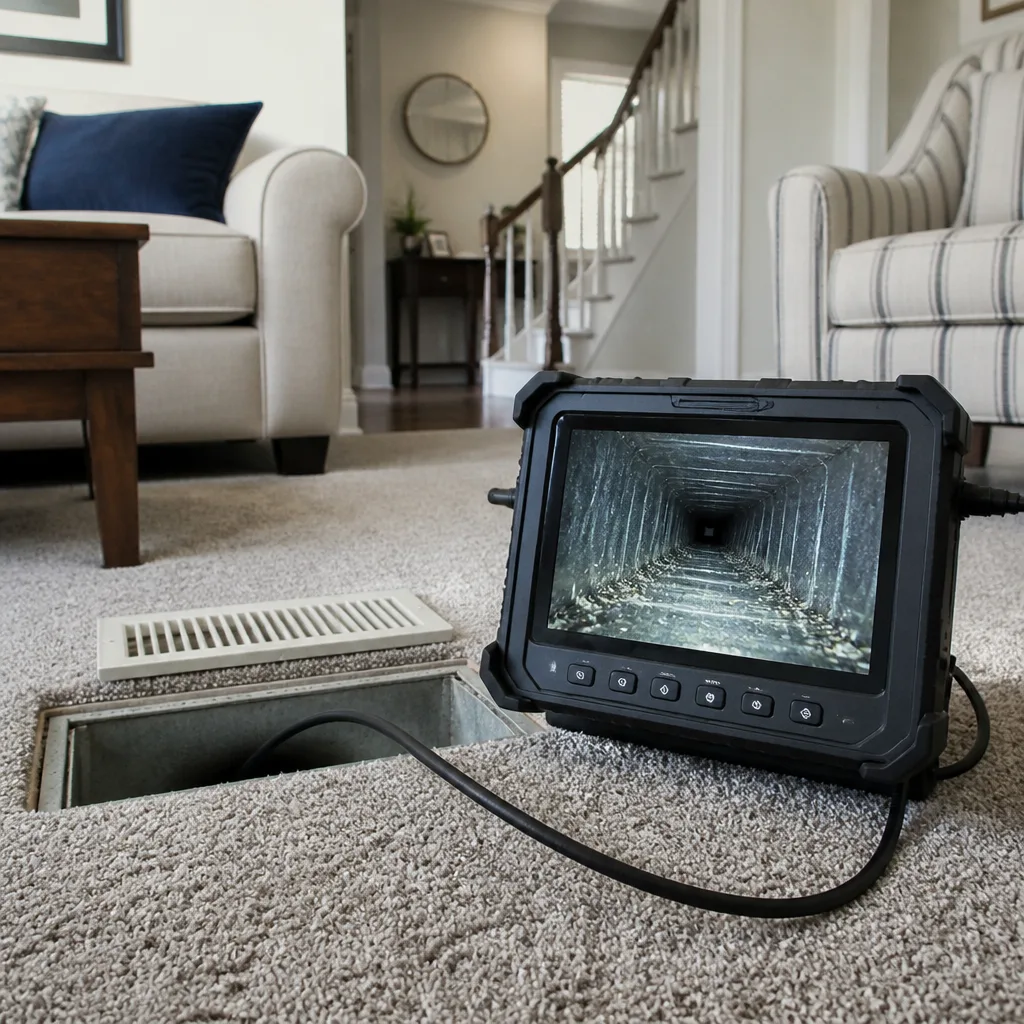 Camera inspection
 Sanitizing & deodorizing
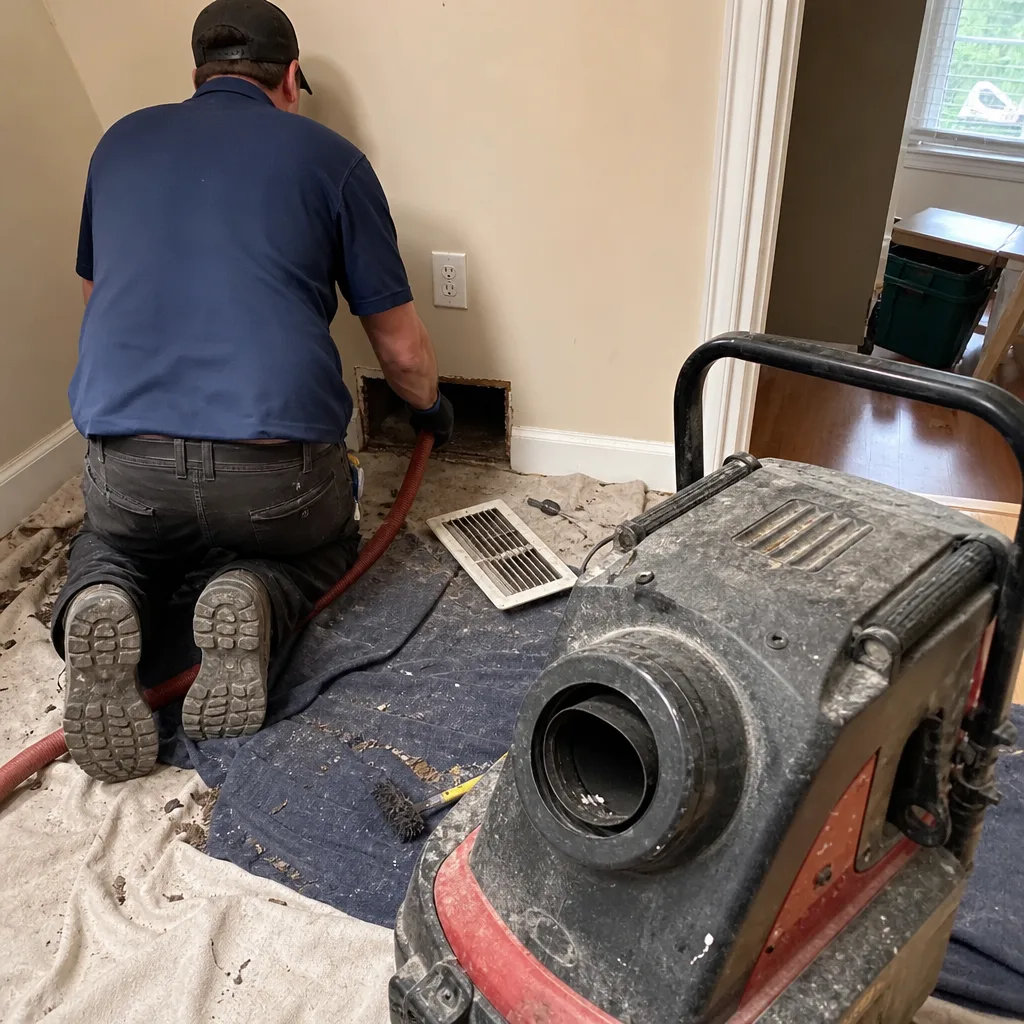
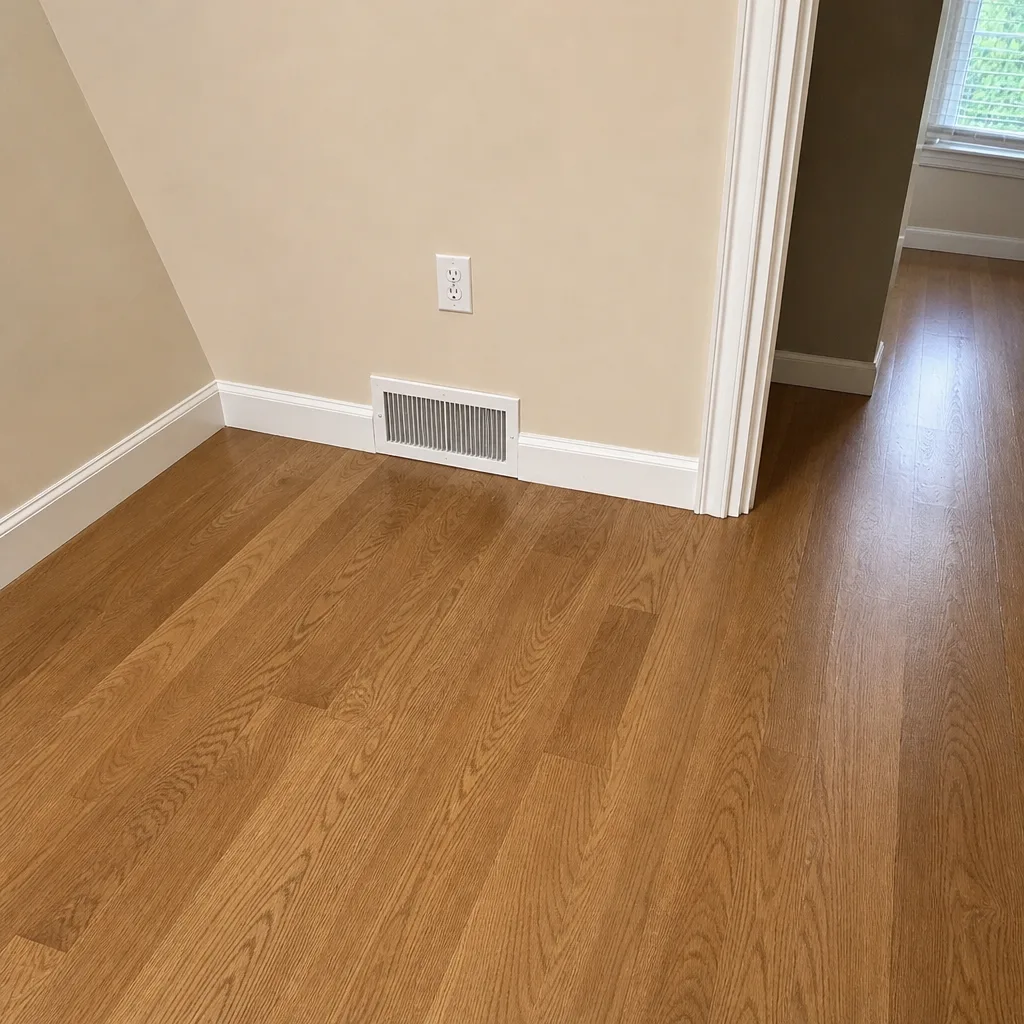
Whole-system duct and dryer vent check with before-and-after photos - you see exactly what came out of your vents
That "$99 whole-house special" is a bait ad - the real number appears once they are in your hallway, or the "clean" is a shop-vac at the register. We photograph the inside of your ducts before and after instead.
Air Duct Cleaning Permits, Codes & Inspections in Donelson, TN: What You Need to Know
Most homeowners assume duct work is duct work, so a permit never crosses their mind. That assumption is where trouble starts. Cleaning a duct system is one thing. Cutting into it, reconnecting a trunk line, sealing joints with mastic, or swapping out a section of flex is a different category of work entirely, and Tennessee’s mechanical code treats it that way. In Donelson, where a lot of housing stock has been through decades of HVAC changes, the line between maintenance and mechanical alteration gets crossed more often than anyone realizes. This guide walks through where that line sits in Davidson County, what gets inspected and what doesn’t, how duct sealing is classified, and what to ask a contractor to document so a future insurance claim or home sale doesn’t stall on work nobody recorded.
Quick Answer
Air duct cleaning by itself typically does not require a permit in Donelson or anywhere in Davidson County. Duct repair, modification, sealing that changes the system’s configuration, or replacement of duct components usually falls under the Tennessee Mechanical Code and can require a permit and inspection. The determining factor is whether the work alters the system or simply cleans it. When in doubt, the Metro Nashville Codes Department is the authority, and a written scope from your contractor is what protects you either way.
Styles & brands we work with
- Whole-home duct cleaning
- Dryer vent cleaning
- Camera inspection
- Sanitizing & deodorizing
Table of Contents
- Cleaning vs. Repair: Where the Regulatory Line Falls
- What the Tennessee Mechanical Code Says About Duct Work
- Davidson County Permit Thresholds and Inspections
- How Duct Sealing Is Classified Under Code
- Insurance and Home Sale Implications of Unpermitted Work
- What to Ask a Contractor to Document
- Donelson’s Housing Stock and Why Duct Work Comes Up
- What an Inspection Actually Looks At
Cleaning vs. Repair: Where the Regulatory Line Falls
The simplest way to think about it: cleaning removes what’s inside the duct. Repair changes the duct itself. One is maintenance. The other is construction work on a mechanical system, and construction work on a mechanical system is what codes are written to govern.
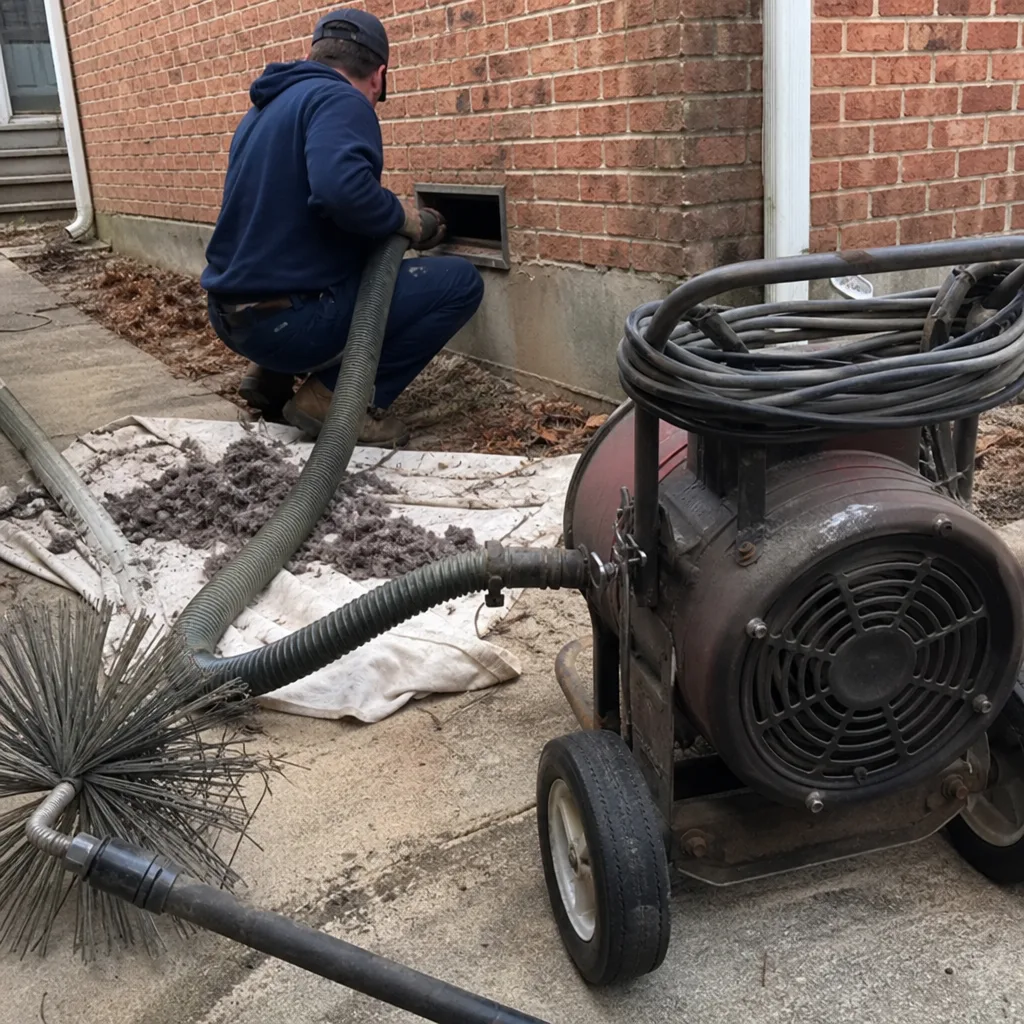
An air duct cleaning job that stays on the cleaning side of the line involves negative-pressure vacuuming, rotary brush agitation, and containment. Nothing in the duct gets cut, spliced, or repositioned. The system goes back together exactly as it came apart. That’s the work our air duct cleaning service is built around, and it’s the work that generally moves forward without a permit.
Then there’s the other category, which comes up more than homeowners expect:
- Reconnecting a disconnected trunk line. A flexible duct that has slipped off a boot or plenum needs to be reattached, taped, and often re-supported. That’s a repair.
- Replacing a run of flex duct. Torn, crushed, or contaminated duct sections get removed and replaced. That’s a modification.
- Cutting in a new supply or return. Adding a register for a finished room means altering the system’s design. That almost always crosses into permitted territory.
- Relocating a duct run. Moving a run to accommodate a remodel, a new appliance, or a wall change is mechanical alteration.
- Sealing that changes airflow balance. Heavy mastic sealing on a system designed for leakage can change static pressure and require design review.
Here’s the honest part. A contractor on a cleaning job can find a disconnected duct and fix it on the spot, and many do, without anyone mentioning a permit. That’s the gap this guide exists to close. In our experience, homeowners are rarely told which side of the line the work they just paid for landed on.
What the Tennessee Mechanical Code Says About Duct Work
Tennessee adopts the International Mechanical Code as its statewide mechanical standard, with local amendments, and Davidson County enforces it through Metro Nashville. The code covers duct systems as part of the mechanical system, which is the key phrase. A duct system isn’t plumbing or framing. It’s a mechanical component, and mechanical components are governed.
What the code addresses, in plain terms:
- Duct construction and materials. Duct systems have to be built from approved materials, supported at intervals, and sealed at joints. Flex duct has to be installed without sagging, pinching, or excessive length.
- Sealing requirements. Joints, seams, and connections are required to be sealed. This is true for new installations and for repairs to existing systems.
- Clearances. Ducts running through certain spaces have to maintain clearance to combustibles. This matters in older homes where duct runs sit close to a furnace or water heater flue.
- Support and routing. Ducts have to be supported and routed so they don’t collapse, kink, or obstruct access.
What the code does not address is the cleaning process. There’s no code section that specifies brush speed, vacuum pressure, or how many passes a technician should make. Cleaning is judged by industry standards and by results, not by code compliance. That’s why a cleaning job and a repair job can look similar on an invoice but carry completely different regulatory weight.
A word of caution here. The code language around mechanical systems is specific, and reading a summary is not the same as reading the adopted text. If a job is borderline, the answer comes from Metro Nashville Codes, not from a contractor’s interpretation or a guide page. Our technicians have up to 8 years of experience working inside Donelson duct systems, and the one thing that experience teaches is that borderline calls get resolved by asking the authority, not by guessing.
Davidson County Permit Thresholds and Inspections
Davidson County issues mechanical permits through Metro Nashville’s codes department. The threshold question is always the same: does this work constitute an alteration, addition, or replacement of a mechanical system, or is it repair and maintenance?
Maintenance and repair generally don’t require a permit. Mechanical alteration does. The distinction sounds tidy on paper and gets messy in practice, so here’s how it usually plays out in the field:
- Cleaning only. No permit. The system is opened, cleaned, and closed with no modification to components.
- Repair of an existing connection. Reattaching a boot, re-taping a joint, replacing a short section of damaged flex. Often treated as repair. The scope matters, because a small repair can become an alteration if enough of the system changes.
- Replacement of duct runs. Removing and installing new duct sections is generally an alteration. This is where a permit and inspection typically come in.
- Adding or removing registers. Changing the number or location of supply or return points alters system design. Permit territory.
- Whole-system replacement. A full duct system replacement with an HVAC changeout follows the equipment permit and inspection process.
If a permit is pulled, the inspection that follows looks at installation quality: material approval, support spacing, sealing at joints and connections, clearances, and routing. It’s not a cleanliness inspection. Nobody is checking whether the duct interior was vacuumed. They’re checking whether the system was put together to code.
One practical note for Donelson homeowners: the inspection requirement follows the work, not the address. A permit pulled for a duct replacement in a 1960s ranch near Donelson Plaza applies the same standards as one in a newer build off Lebanon Pike. What changes is the condition the technician finds inside the system, and older homes tend to present more repair findings.
How Duct Sealing Is Classified Under Code
Sealing is the grayest area in this whole conversation, and it’s the one homeowners ask about most. Duct sealing can be routine maintenance or a mechanical alteration depending on how it’s done and what it changes.
Mastic and tape sealing at accessible joints is generally treated as repair and maintenance. A technician reaches a joint, cleans it, applies mastic or approved tape, and moves on. The system’s design doesn’t change. No permit in most cases.
Aerosol sealing is different. A sealant is introduced into the duct system under pressure and coats the interior surfaces from the inside, sealing leaks that can’t be reached by hand. It’s an effective method, and it changes the system’s leakage characteristics in a way that’s measurable. Whether a jurisdiction classifies aerosol sealing as maintenance or alteration varies, and in Davidson County the safest path is to ask before the work starts rather than after.
Sealing that changes airflow balance is the third case. A duct system with significant leakage often has supply and return imbalances baked in. Seal it heavily and the balance shifts, which can reveal problems that were masked by the leaks. That’s not a reason to skip sealing. It’s a reason to have the work scoped by someone who understands airflow, and to expect that a system design review may be part of the conversation.
On licensing: mechanical work in Tennessee requires a contractor licensed for the category of work being performed. Cleaning is not mechanical contracting. Repair and alteration are. When you hire for a job that includes duct repair, the contractor’s licensing category should match the scope. Ask which category, and ask for the license in writing. A contractor who can’t answer that question clearly is telling you something.
Insurance and Home Sale Implications of Unpermitted Work
This is the part almost nobody talks about, and it’s the reason this guide exists.
Homeowner’s insurance policies generally cover sudden and accidental damage. They generally do not cover damage caused by faulty workmanship or by work that wasn’t done to code. Now put those two facts together. A duct repair done without a permit, done poorly, causes a moisture problem or a carbon monoxide concern or a system failure that leads to water damage. The insurer investigates. The work shows up as unpermitted mechanical alteration. The claim gets complicated.
That’s not a scare tactic. It’s how claims investigation works. Adjusters look at what was done, when, by whom, and whether it was permitted and inspected. Unpermitted mechanical work on a claim file is a documented problem, and it can reduce or deny coverage depending on the policy language and the facts.
The home sale side is similar but slower. A pre-sale inspection or an appraiser’s review can surface mechanical work that doesn’t match permit records. Buyers ask for documentation. Sellers who have it move forward. Sellers who don’t end up negotiating, delaying, or paying for a re-inspection. In a market like Donelson’s, where older homes turn over regularly and buyers are tuned in to mechanical condition, missing documentation on duct work is a real friction point.
What protects you is boring and effective: a written scope, a clear statement of whether a permit was required and why, and photos of the work. None of that costs much. All of it holds up years later.
What to Ask a Contractor to Document
Even when no permit is required, you want a paper trail. This is the single most useful thing this guide can give you, so treat it as a checklist and use it on every duct job.
- A written scope before work starts. What’s being cleaned, what’s being repaired, and what’s being left alone. One flat price per system, agreed in advance, with the written estimate setting the final price.
- A permit statement. Either “a permit is required for this scope and we will pull it” or “this scope is cleaning and minor repair, no permit required.” In writing. This one line prevents years of argument.
- The contractor’s license category. Which category covers the work being done, and the license provided in writing.
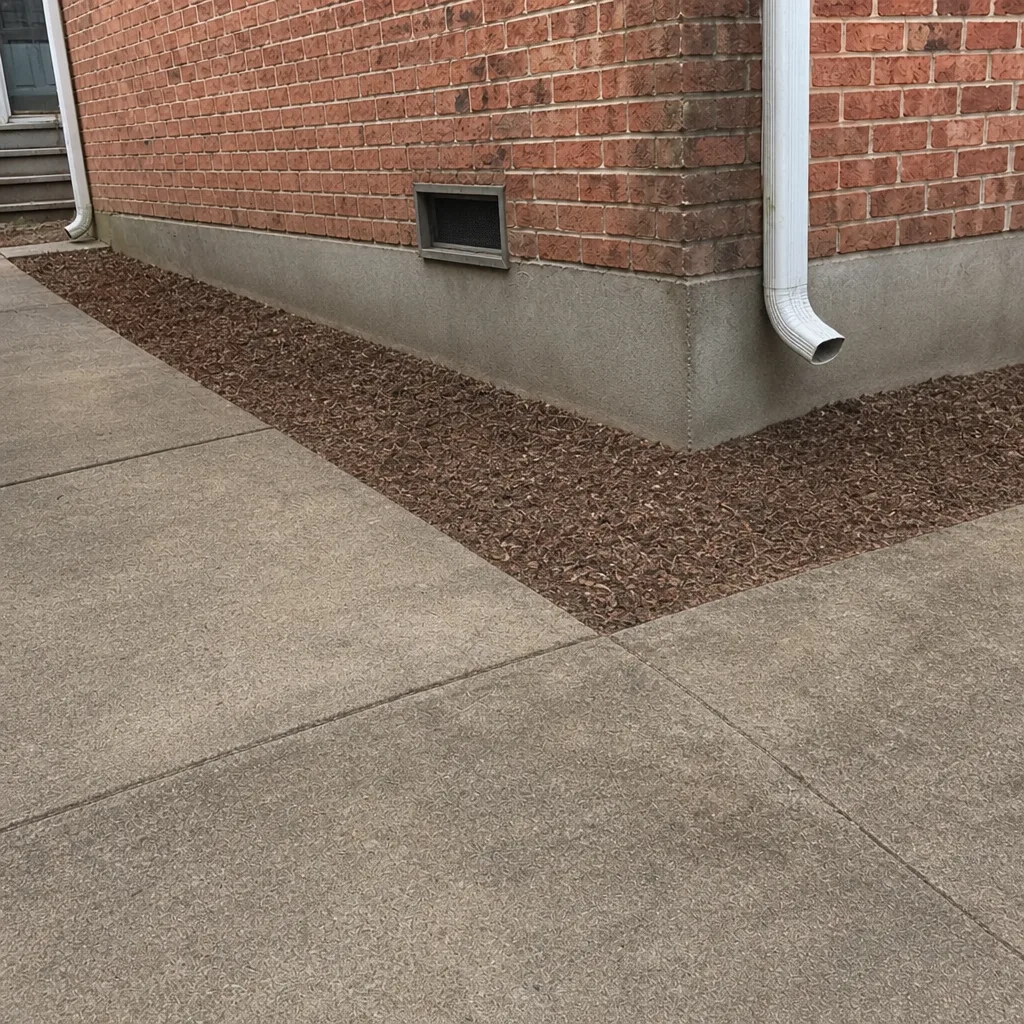
- Before-and-after photos of your own ducts. Not stock images. Your system, your components, your findings. This is your proof the work happened and your record of what the system looked like.
- A list of findings. Every disconnected joint, crushed section, or contaminated run the technician observed, whether or not it was addressed. This is your maintenance roadmap.
- Materials used. Which sealant, which tape, which products. If sanitizing was performed, what was used and at what dilution. Guardsman-grade protective products in sanitizing treatments come with product documentation, and that documentation belongs in your file.
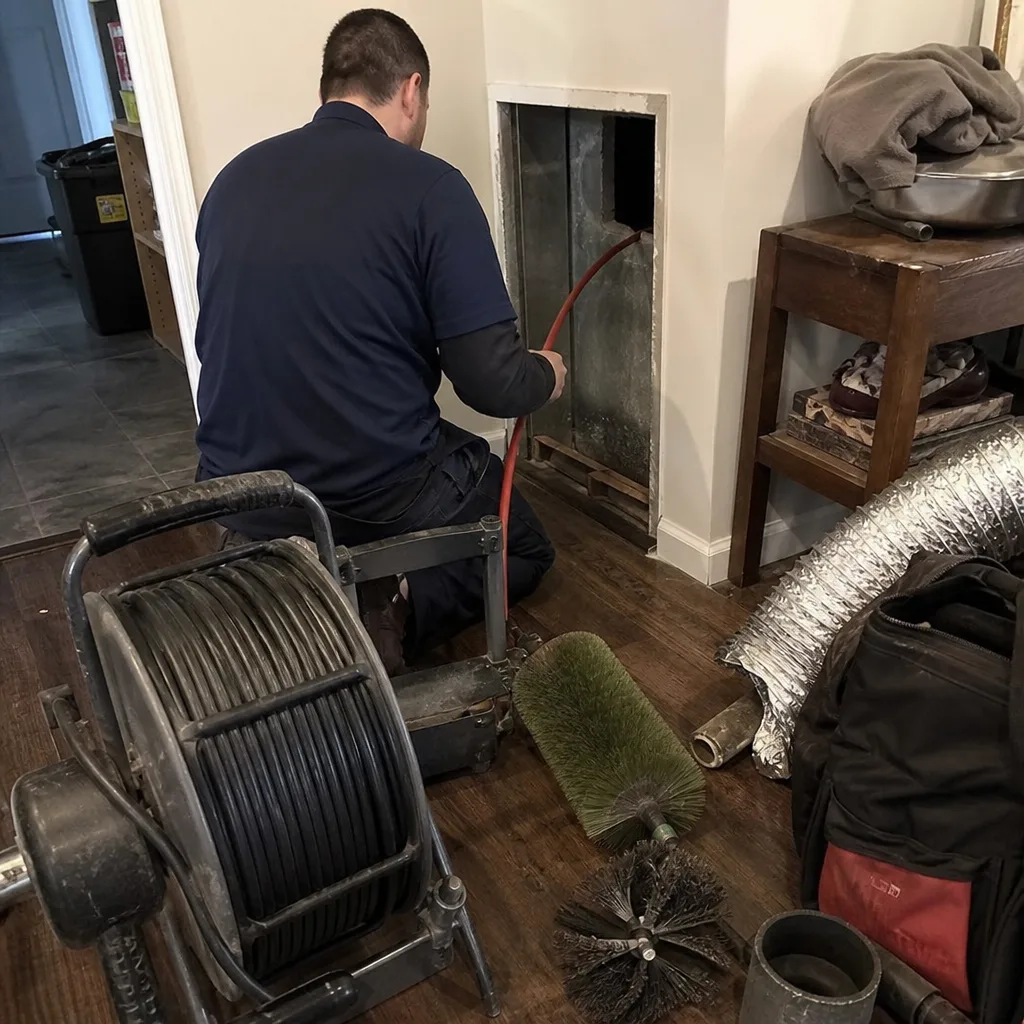
Our approach on every job, cleaning or repair, is to hand over before-and-after photos and a written summary of findings. We use Rotobrush rotary brush systems and Nikro HEPA-rated vacuums for the cleaning work, and the reason we document is simple: a homeowner who has the record doesn’t have to reconstruct it later.
Donelson’s Housing Stock and Why Duct Work Comes Up
Donelson is a middle-ring Nashville neighborhood, and its housing reflects that. A large share of the homes here went up in the decades after World War II, with ranch and split-level layouts that were built with duct systems sized and routed for the equipment of that era. Many of those homes have since had the furnace and air conditioner replaced, sometimes more than once. The duct system often hasn’t kept pace.
That creates specific conditions you won’t find on a page written for a generic market:
- Original galvanized trunk lines with taped joints that have dried out and separated. The joints are visible, accessible, and often leaking.
- Retrofit flex runs added when a room was finished or an addition went up, sometimes routed through spaces the original design never anticipated.
- Return-side leakage in older homes, where the return path runs through a chase or a panned joist cavity that has lost its seal.
- Condensation issues in humid months. Nashville’s summer humidity makes a leaking duct run in an unconditioned attic or crawl space a moisture problem, not just an efficiency problem. Seal failures in July and August tend to show up as ceiling stains and musty odors by fall.
- Renovation dust. Donelson has seen steady renovation activity, and drywall dust and construction debris that gets pulled into a return during a remodel is one of the most common reasons homeowners here call for cleaning.
The point isn’t that Donelson homes are worse. It’s that they’re older, they’ve been modified, and the modifications are where permit questions live. A duct run added during an addition is a mechanical alteration. Whether it was permitted at the time is a question a home sale will eventually ask.
What an Inspection Actually Looks At
If your duct work requires a permit, understanding the inspection helps you prepare and helps you evaluate the contractor. An inspection is a code compliance review, not a performance test.
An inspector will typically check:
- Approved duct materials, matching what’s specified
- Support spacing and hanger condition
- Sealing at joints, seams, and connections
- Clearance to combustibles where applicable
- Routing that doesn’t obstruct access or create a hazard
- Connections at the air handler, plenums, and boots
What an inspection does not do is verify the system’s air balance, measure leakage, or check duct interior cleanliness. Those are separate questions, and they’re the questions a quality-focused contractor answers with documentation rather than with a permit sticker. Abatement Technologies containment equipment, for instance, is deployed on jobs where airborne contamination control matters. That’s a standard you’ll see in remediation work, and it’s not something an inspection will ask you to prove. It’s something you’ll notice in how the job is run.
For homeowners who want more than cleaning, pairing Honeywell or Aprilaire filtration and humidity products with the service addresses the air quality question at the system level rather than the duct level. That’s a separate scope, and if it involves equipment modification, the permit question comes right back around. Ask before, not after.
Common Mistakes to Avoid
- Assuming cleaning and repair carry the same rules. They don’t, and a contractor who treats them as interchangeable is telling you they haven’t thought about it. Ask which category the work falls into before it starts.
- Letting a “while we’re in there” repair happen without documentation. On-the-spot fixes are common and often reasonable, but if it isn’t written down, it didn’t happen as far as insurance and future buyers are concerned. Insist on a note in the scope.
- Skipping the permit on a duct replacement to save time. The time saved is measured in days. The exposure lasts as long as you own the home.
- Hiring on price alone and skipping the license question. Duct repair is mechanical work. Ask for the license category, in writing, and check that it matches the scope.
- Treating a home inspection finding as the first time it mattered. If a buyer’s inspector flags unpermitted duct work during a sale, you’re negotiating from weakness. Pull the records before you list.
- Not asking about moisture in older Donelson homes. A leaking return in a humid Nashville summer is a moisture problem before it’s an efficiency problem. Ask the contractor whether they check for condensation and staining, not just for dust.
- Skipping dryer vent cleaning because the ducts got cleaned. They’re separate systems with separate hazards. A dryer vent is a fire risk; ducts are an air quality issue. Addressing one doesn’t address the other.
See the difference
 Before
 After
 Before
 After
 Before
 After
When to Call a Professional
Some duct work is a professional judgment call, and some of it isn’t. Call when you find disconnected or crushed duct runs, when a renovation has filled the system with construction dust, when you notice musty odors or uneven room-to-room temperatures that suggest leakage, or when a home inspection flags mechanical work with no documentation. Call before a home sale if the records are unclear. Call before sealing work if you don’t know whether the system has been altered since it was installed. And call if you’re planning to have HVAC cleaning done alongside duct work, because the two scopes should be planned together rather than sequenced by guesswork. Air Duct Cleaning Donelson offers free estimates in Donelson. Call (866) 947-9316. We answer 24/7. Fast dispatch from 7am to 7pm, Sunday through Friday. One flat price per system, agreed before work starts, with before-and-after photos of your own ducts.
Frequently Asked Questions
No. Air duct cleaning by itself typically does not require a permit in Donelson or Davidson County, because cleaning doesn’t alter the mechanical system. A permit becomes relevant when the scope includes repair, replacement, or modification of duct components. If you’re unsure which category your job falls into, ask the contractor to state it in writing, and confirm with Metro Nashville Codes if the answer isn’t clear. Call (866) 947-9316 for an exact quote on cleaning or repair – estimates are free.
It depends on the method. Mastic and tape applied at accessible joints is generally treated as maintenance and repair. Aerosol sealing that coats the interior of the duct system, or sealing that changes the system’s airflow balance, may cross into alteration depending on how the local authority classifies it. Ask before the work starts rather than after. Call (866) 947-9316 if you want a scope reviewed first – estimates are free.
It can. Policies generally exclude damage caused by faulty workmanship and by work that wasn’t done to code, so unpermitted mechanical alteration can complicate a claim if it’s tied to the damage. The protection is documentation: a written scope, a permit statement, and photos. Call (866) 947-9316 to have your system assessed and documented – estimates are free.
A written scope and one flat price per system before work starts, a written permit statement, the license category in writing, before-and-after photos of your own ducts, a list of findings, and the materials used. That packet is what protects you in a claim, a warranty dispute, or a home sale. Call (866) 947-9316 for a free estimate that includes it.
Often, yes. Much of Donelson’s housing was built in the postwar decades and has had equipment replaced since, so the duct system may be original while the furnace and air conditioner aren’t. That combination produces more retrofit flex runs, more dried-out joint tape, and more return-side leakage than newer construction. Asking about moisture and seal condition matters here because of Nashville’s humid summers. Call (866) 947-9316 to book an assessment – estimates are free.
Yes, and it usually should be, because the cleaning is what reveals the repair findings. The important thing is that the repair portion gets scoped and documented separately, with a clear statement of whether it requires a permit. Cleaning and repair are different categories of work and deserve different paperwork. Call (866) 947-9316 to plan both – estimates are free.
The Bottom Line
The rule that matters most is the one nobody explains: cleaning is maintenance, and repair is mechanical work. In Donelson, Davidson County enforces the Tennessee Mechanical Code on mechanical alteration, which means duct replacement, new registers, and significant reconfiguration can require a permit and inspection while cleaning does not. Duct sealing sits in between and depends on the method. What protects you in every scenario is the same three things: a written scope with one flat price per system agreed up front, a written statement about whether a permit applies, and photos of your own ducts before and after. Get those, and the insurance claim, the home sale, and the warranty dispute all get easier. Skip them, and you’re reconstructing history years later.
If you want the full picture of what we do, start with Air Duct Cleaning Donelson. Call (866) 947-9316. We answer 24/7. Fast dispatch from 7am to 7pm, Sunday through Friday.
Written by the team at Air Duct Cleaning Donelson.