
Last updated November 23, 2026
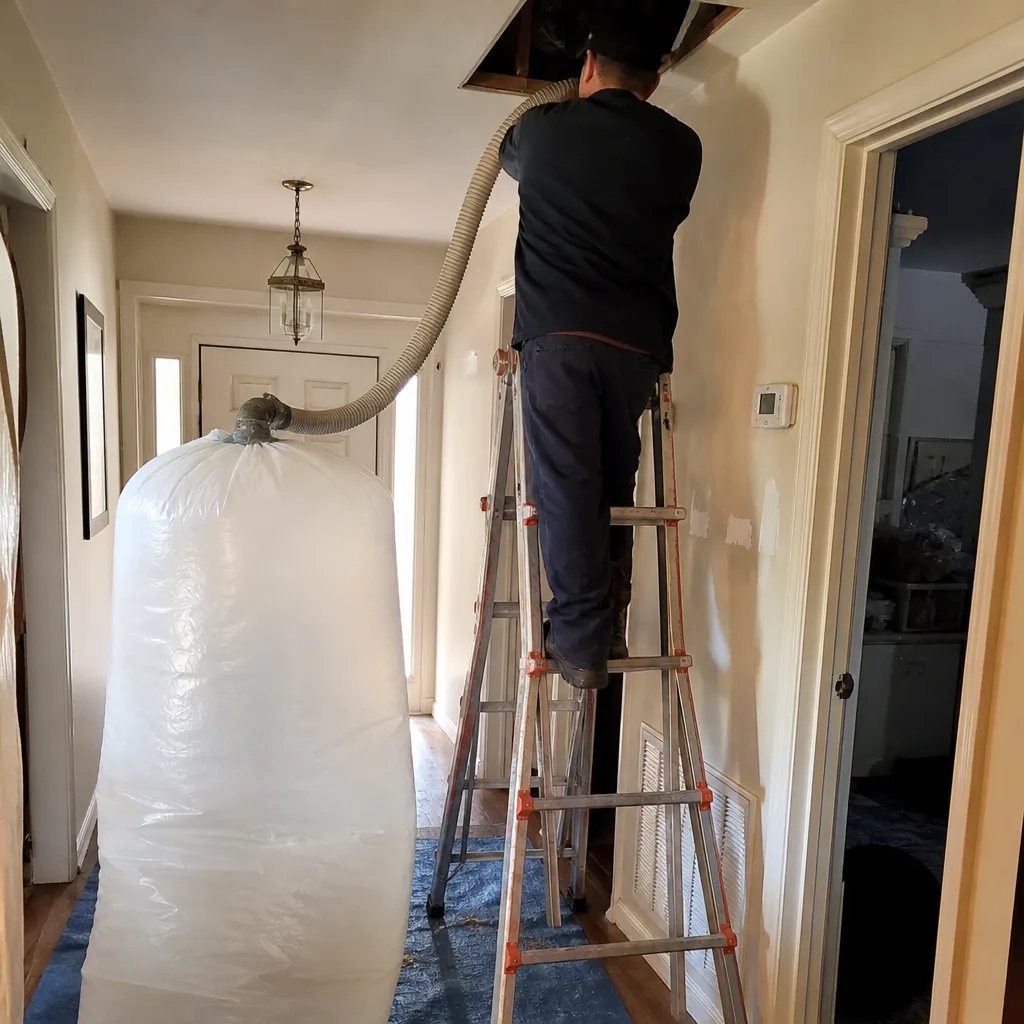
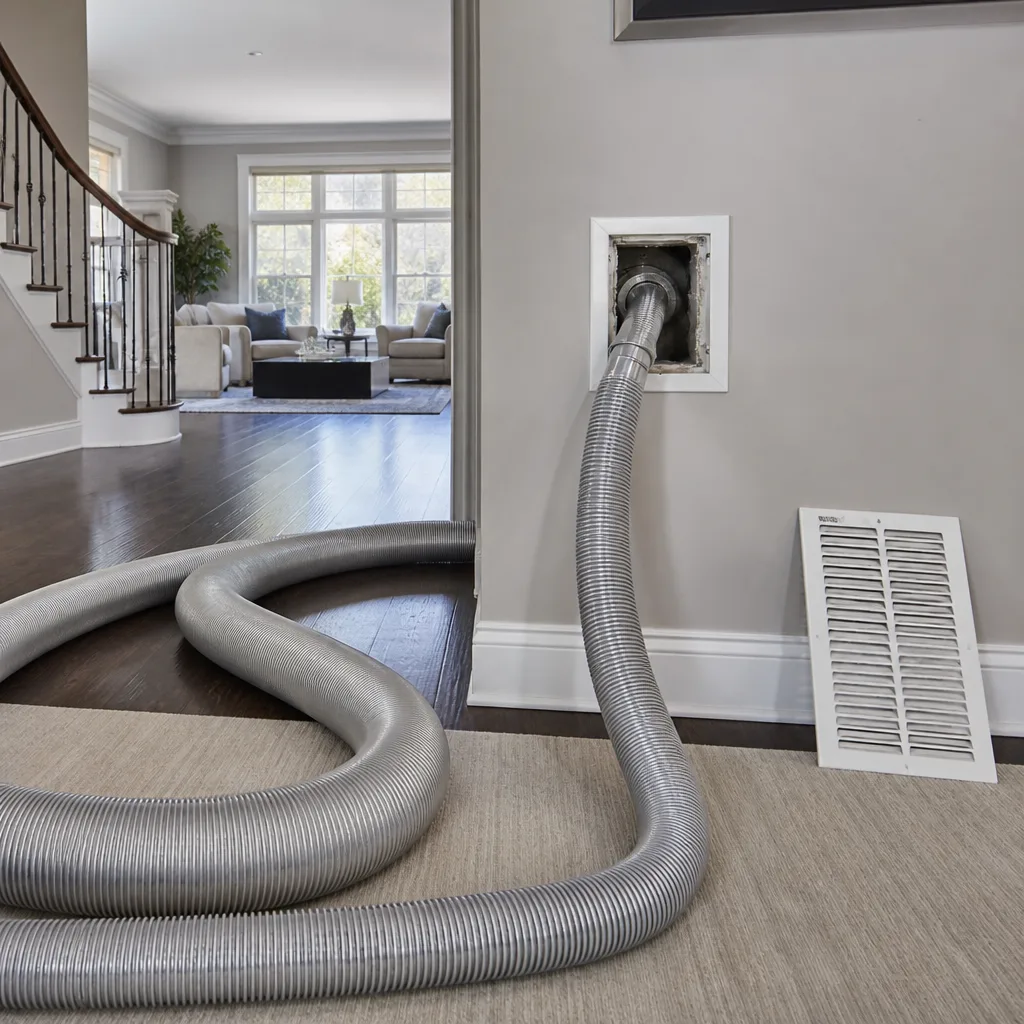 Whole-home duct cleaning
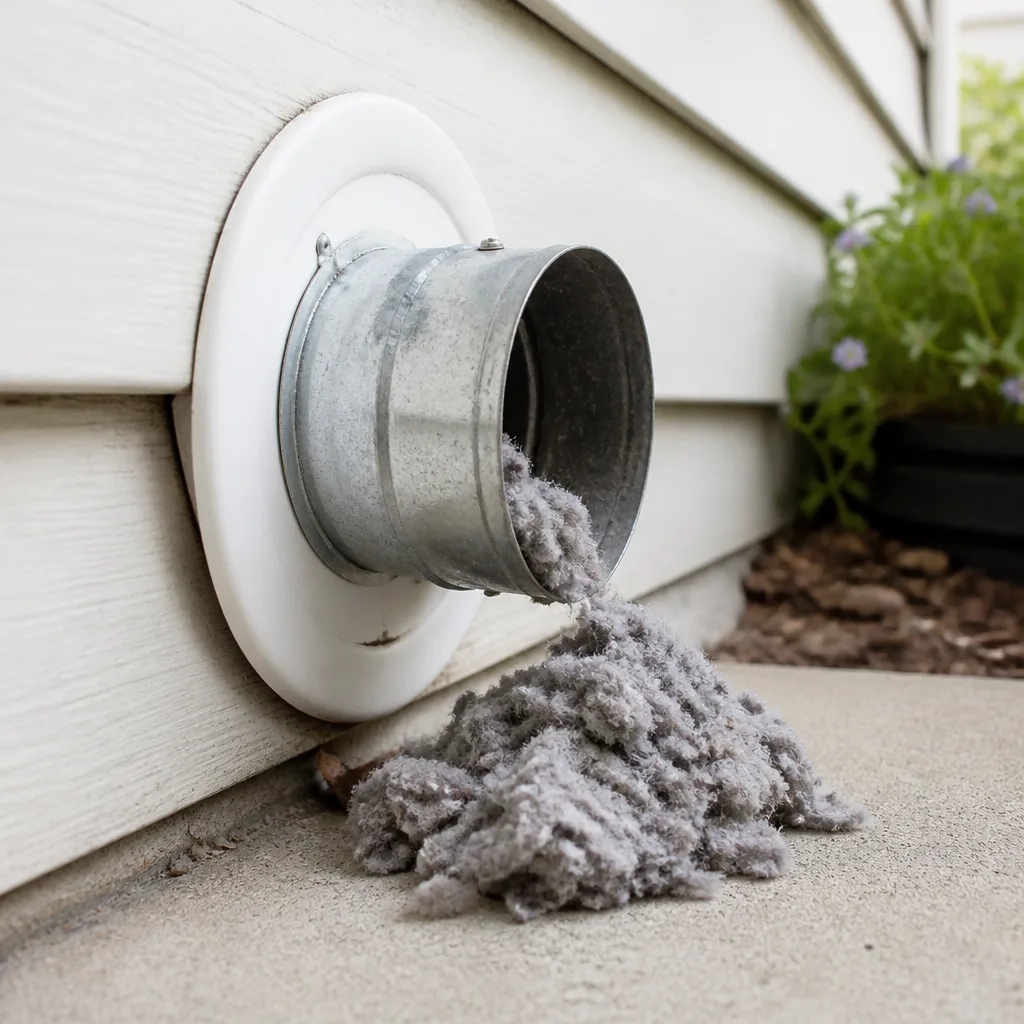 Dryer vent cleaning
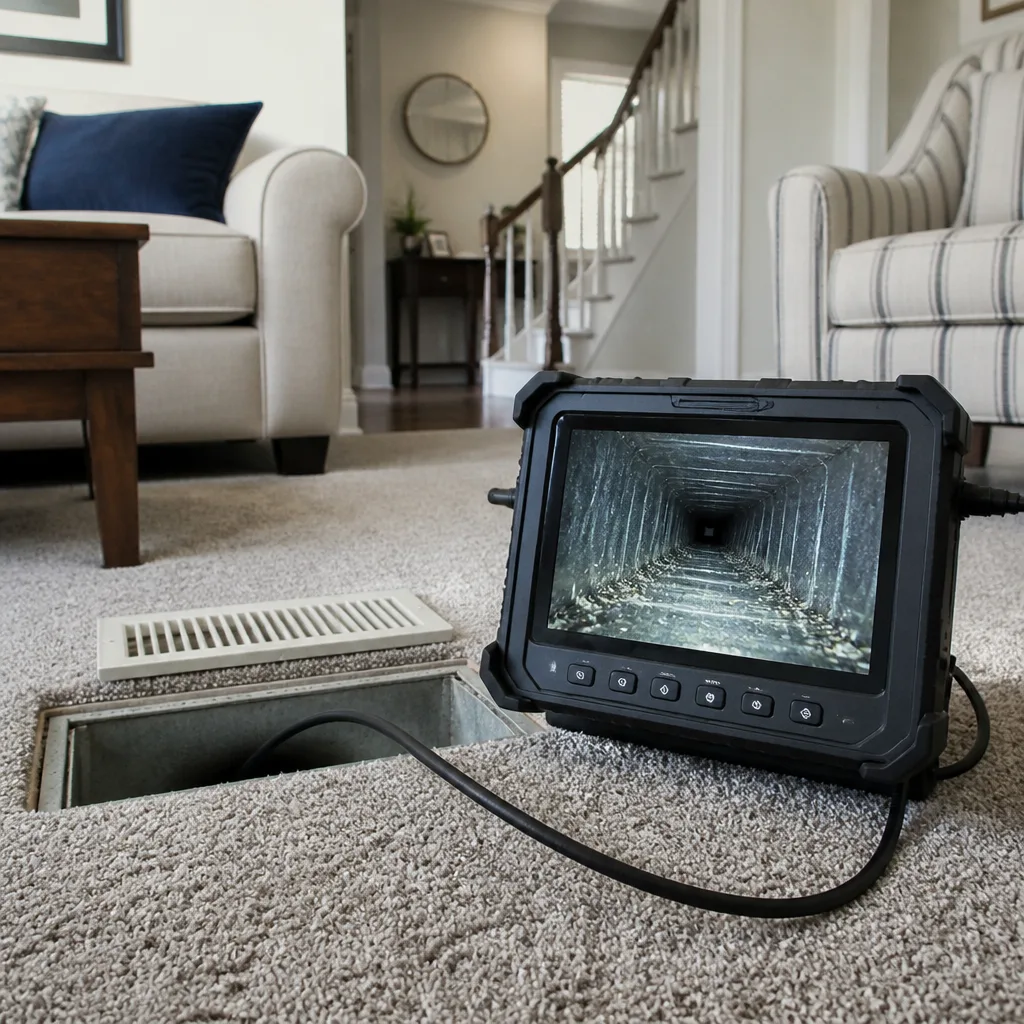 Camera inspection
 Sanitizing & deodorizing
Whole-system duct and dryer vent check with before-and-after photos - you see exactly what came out of your vents
That "$99 whole-house special" is a bait ad - the real number appears once they are in your hallway, or the "clean" is a shop-vac at the register. We photograph the inside of your ducts before and after instead.
Air Duct Cleaning Warning Signs: A Donelson Homeowner’s Reference Guide
Visible dust puffing from a supply register doesn’t automatically mean your ducts need cleaning. More often than any homeowner expects, it points to a filter that isn’t seated right, a return that’s come loose in the crawlspace, or a blower moving more air than the ductwork was built to handle. Cleaning the ducts won’t fix a one of those. What matters is reading each sign correctly before you spend money. This guide walks through the warning signs Donelson homeowners actually notice and maps each one to the condition it most likely points to, so you know whether you’re looking at a cleaning job, a repair job, or something monitoring for another season.
Quick Answer
Air duct warning signs in a Donelson home usually fall into two groups: airflow symptoms (uneven rooms, weak registers, whistling) that point to leaks, disconnects, or blower issues, and contamination symptoms (musty odor, visible debris, allergy flare-ups) that point to buildup, moisture, or biological growth inside the system. Most of these signs tell you a technician needs to look, not that cleaning is automatically the answer. The right service depends on which condition is actually present.
Styles & brands we work with
- Whole-home duct cleaning
- Dryer vent cleaning
- Camera inspection
- Sanitizing & deodorizing
Table of Contents
- What Each Warning Sign Actually Points To
- How to Tell Duct Problems from HVAC, Insulation, and Building Issues
- Musty Odor: What It Really Means
- Crawlspace Signs You Can See Without Going In
- Signs Cleaning Alone Won’t Fix It
- When to Act Immediately vs. When to Monitor
- Common Mistakes to Avoid
- When to Call a Professional
- Frequently Asked Questions
- The Bottom Line
What Each Warning Sign Actually Points To
Most warning-sign articles list the same handful of symptoms and then recommend cleaning. That’s the wrong sequence. A sign is a clue, not a verdict. Here’s how the clues break down in homes around Donelson, where crawlspace construction and older ductwork make specific conditions far more common than generalized “dirty duct” write-ups suggest.
- Visible dust at supply registers. Points to filter bypass (air moving around the filter instead of through it), a disconnected return in the crawlspace, or a blower set above the designed static pressure. Cleaning alone rarely solves this.
- Musty or stale odor when the fan runs. Points to moisture or biological growth inside the ductwork or the air handler. Common with flex duct that’s been sitting damp in a humid crawlspace.
- Uneven room temperatures. Points to a duct leak, a crushed or kinked flex run, or a supply that was never balanced. The equipment may be running perfectly.
- Increased allergy symptoms indoors. Points to particulate buildup in the ducts or on the evaporator coil, but only after other sources (pollen, pets, filters, humidity) are ruled out.
- Whistling or roaring at a register. Points to undersized ductwork or a register boot that’s pulling air through a gap in the subfloor.
- Visible debris at the register face. Points to buildup inside the run and is one of the clearer signs cleaning is warranted.
In our experience, the sign that prompts the call is frequently not the condition that needs the fix. That’s why a technician arriving at a Donelson home should be looking at filter fit, return connections, flex duct runs in the crawlspace, and blower speed before deciding anything. Professional-grade equipment like Rotobrush rotary brush systems and Nikro HEPA-rated vacuums does the cleaning work well, but the diagnosis is what determines whether cleaning is even the right service to perform.
How to Tell Duct Problems from HVAC, Insulation, and Building Issues
Plenty of non-duct problems look exactly like duct problems. Before you buy any service, run through this short checklist. It separates what the ductwork is doing from what the equipment or the house is doing.
- Check the filter first. Pull it out. If it’s visibly bypassing (dust in the filter frame grooves, or air moving around the edges), that’s your dust source, not the ducts.
- Compare rooms. If one room is consistently cold and others are fine, the problem is likely a single run (leak, crush, disconnect). If every room is weak, look at the blower and equipment.
- Listen at the air handler. Rattling or a screaming blower belt is an equipment issue, not a duct issue.
- Look for condensation at registers. Sweating registers point to a system producing excess moisture, often a coil or charge issue, not a duct problem.
- Check humidity. If the house sits above roughly the mid-50s in relative humidity during a humid stretch, mold growth can occur anywhere in the system, not just inside the ducts. That’s a bigger conversation and often calls for Aprilaire humidity control rather than just cleaning.
- Look at attic or crawlspace insulation. Sagging or wet insulation creates air quality symptoms that mimic duct contamination.
If two or more of these point away from the ducts, the right call is an HVAC diagnostic first, not a duct cleaning. That’s also why we connect Donelson homeowners with local professionals who can look at all of it in one visit. A duct-only van operator is likely to sell you a cleaning regardless.
Musty Odor: What It Really Means
A musty smell in a Donelson home is not a sign of “dusty ducts.” It’s a moisture signature. Where moisture sits long enough, biological growth follows, and no amount of vacuuming clears it permanently without addressing the moisture source and treating the surface.
Two patterns come up often:
- Odor only when the fan runs. The growth is inside the duct runs or the air handler cabinet. Address it with cleaning followed by a sanitizing treatment, and fix the moisture source underneath it.
- Odor whether the fan runs or not. The source may not be in the ducts at all. Look at the crawlspace, the evaporator drain pan, and the return plenum.
Sanitizing is where the choice of product matters. Guardsman-grade protective products used in the treatment give documented results rather than a vague promise that the smell “should clear up.” The treatment only works if the cleaning happens first, though, and if the moisture issue isn’t corrected, the odor returns. That’s why we pair sanitizing with air duct cleaning and a close look at the air handler rather than offering it as a standalone service. If the humidity in the house is running high, adding a dehumidifier circuit through Aprilaire controls is often more useful than repeating the sanitizing treatment every year.
Crawlspace Signs You Can See Without Going In
Much of Donelson’s housing stock sits on a crawlspace. That matters, because most of the flex duct runs in these homes live down there, exposed to humidity, condensate, and the occasional visitor. You don’t need to crawl in to spot the common failures. A flashlight and the access panel usually tell you enough.
- Sagging flex duct visible from the access. Duct that has lost its support straps collapses and restricts airflow. That’s a repair, not a cleaning.
- Condensation staining on the subfloor near supply runs. Indicates a run is sweating or a duct is leaking cold air against the wood.
- Duct pulled off a boot or a plenum collar. Sometimes visible from the access. If it is, that’s a leak source, and it’s often the reason one room is weak.
- Standing water or damp soil under the system. Signals that moisture management in the crawlspace itself needs attention before ductwork is worth cleaning.
- Rodent or pest activity near the flex runs. Flex duct is easy to tear, and a tear is a permanent leak and contamination source.
These are signs a licensed local professional should check with the right equipment in hand. Duct repair and sealing closes those gaps, which is the only way to stop the air loss and keep the contamination from returning. If the sign is a detached run or a torn section of flex near the supply, repair should come before any cleaning. Not the other way around.
Signs Cleaning Alone Won’t Fix It
Some warning signs are a direct signal that cleaning by itself is a waste of money. If you see any of these, ask for repair and sealing, not just a cleaning quote.
- A room that never gets the airflow it should. Point to a leak, a kink, a crushed run, or a disconnected boot.
- Whistling at a register or a pressure differential you can feel at the grille. Suggests the duct system is losing air somewhere upstream.
- Recurring dust on the same register face after a cleaning. Points to a filter bypass or a return that’s pulling in unfiltered air.
- Odor that returns within weeks of a sanitizing treatment. Points to an unresolved moisture source.
- Condensation on the supply boots in summer. Points to duct insulation failure or air sealing that’s let humid air contact the cold duct.
When we’re looking at a house like this, the Abatement Technologies equipment we bring does more than vacuum. It establishes containment so the work area stays clean while the repairs are underway, the same standard certified restoration and abatement contractors work to. That’s the correct order of operations for a Donelson crawlspace: repair, then clean, then sanitize, then verify. Skipping the repair and going straight to cleaning is the single most common way homeowners end up paying for the same problem twice.
When to Act Immediately vs. When to Monitor
Not every sign is urgent, and treating them all the same way empties a homeowner’s wallet for no reason. Here’s a straightforward division.
Act now:
- Visible debris at the registers that’s clearly from inside the duct.
- Musty odor that’s present whenever the fan runs.
- A visibly detached or torn flex duct in the crawlspace.
- Any sign of water contact with ductwork or insulation.
- Pest activity inside the duct runs.
- Dryer vent concern. Long, kinked, or clogged dryer vent runs are a fire risk and warrant immediate attention. That’s why we include dryer vent cleaning as a standard part of the service menu rather than a side job.
Monitor for one season:
- Mild dust on a register face with no other symptoms.
- Occasional afternoon allergy symptoms that don’t clearly track to time indoors.
- One room running a couple degrees cooler than the rest with no associated odor or moisture.
- Slightly increased dust on horizontal surfaces that could come from open windows or pets.
Monitoring means writing down what you see and when. A register that stays clean after a filter change is not a cleaning candidate. A register that throws dust every couple of weeks after a filter changes is.
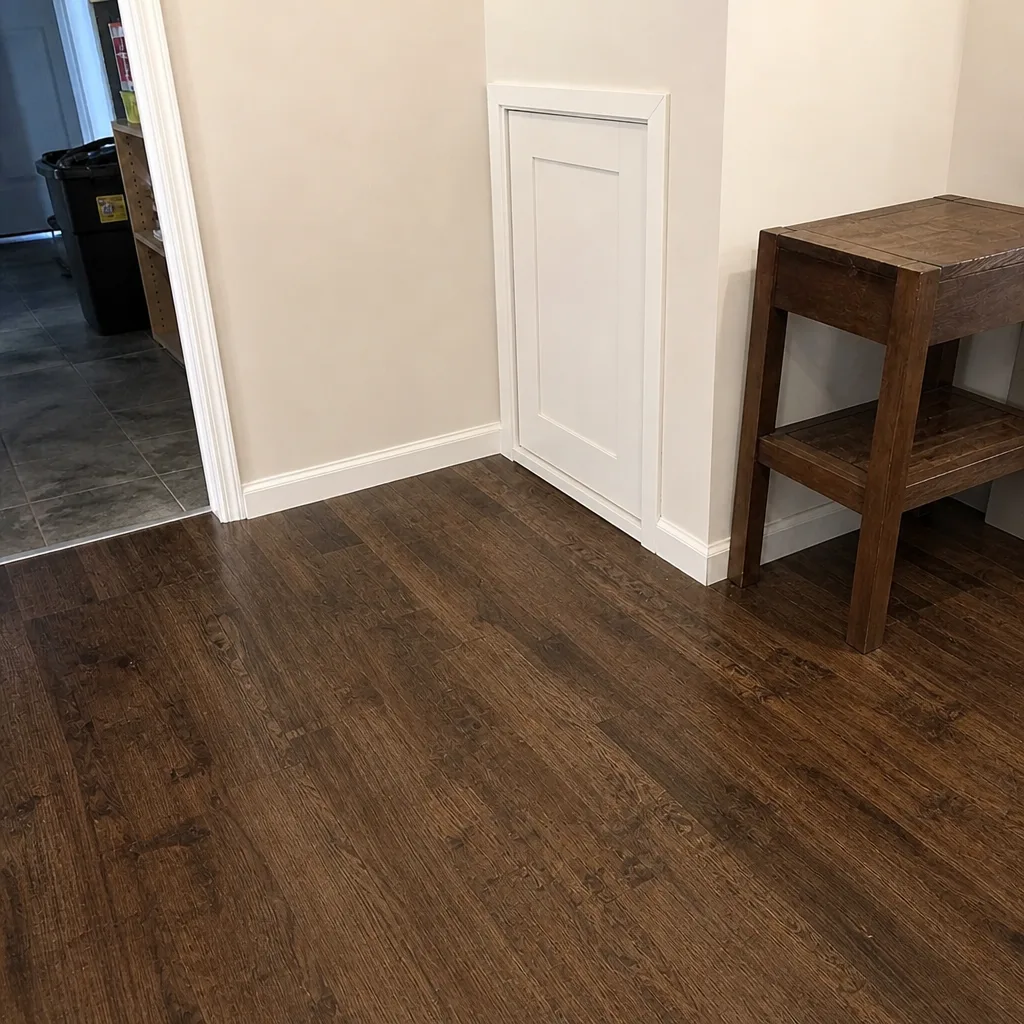
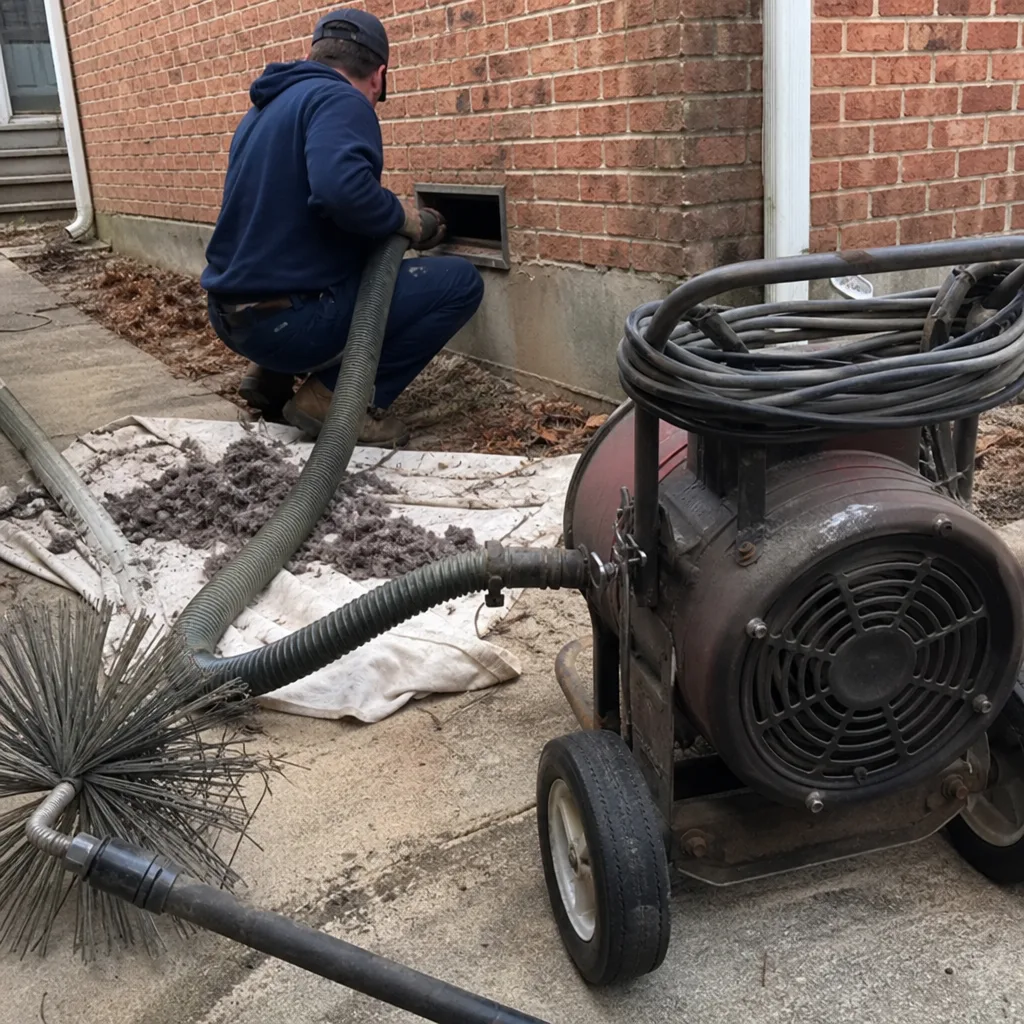
See the difference
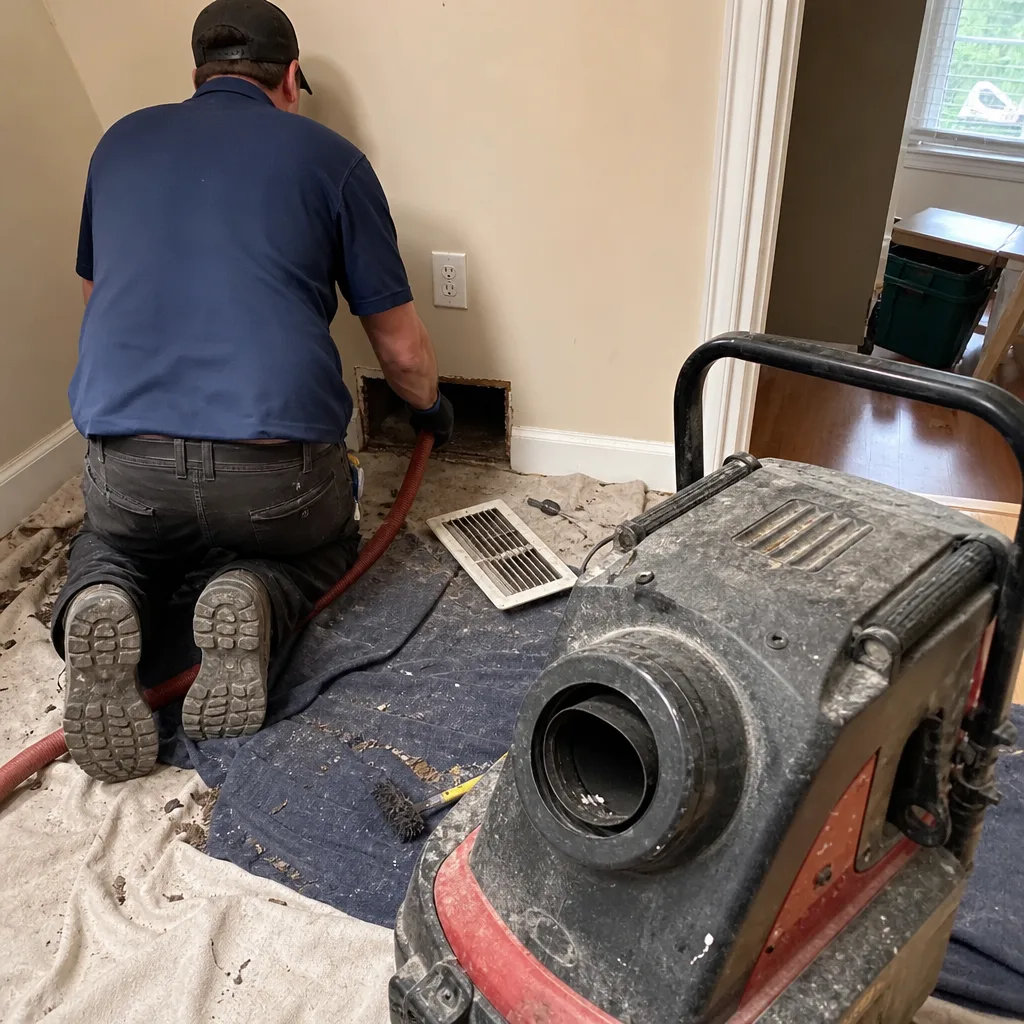 Before
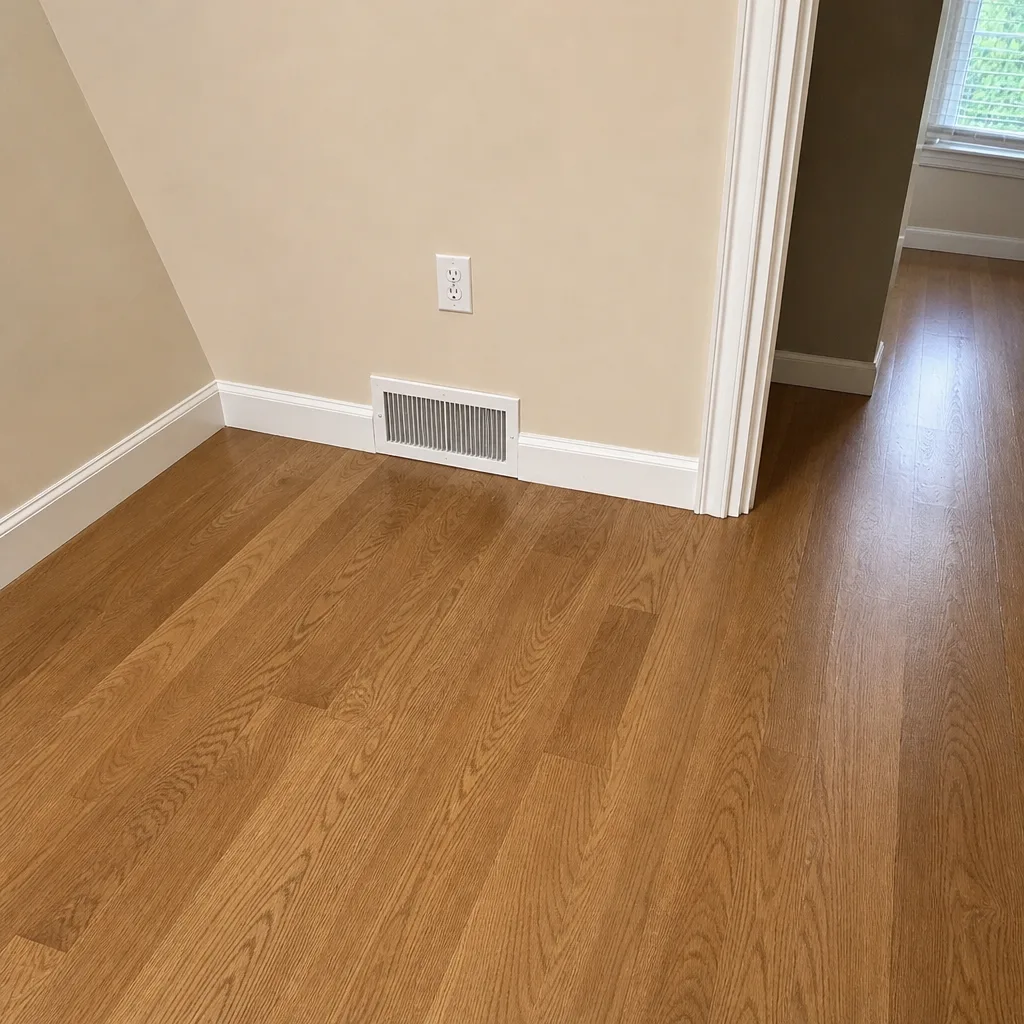 After
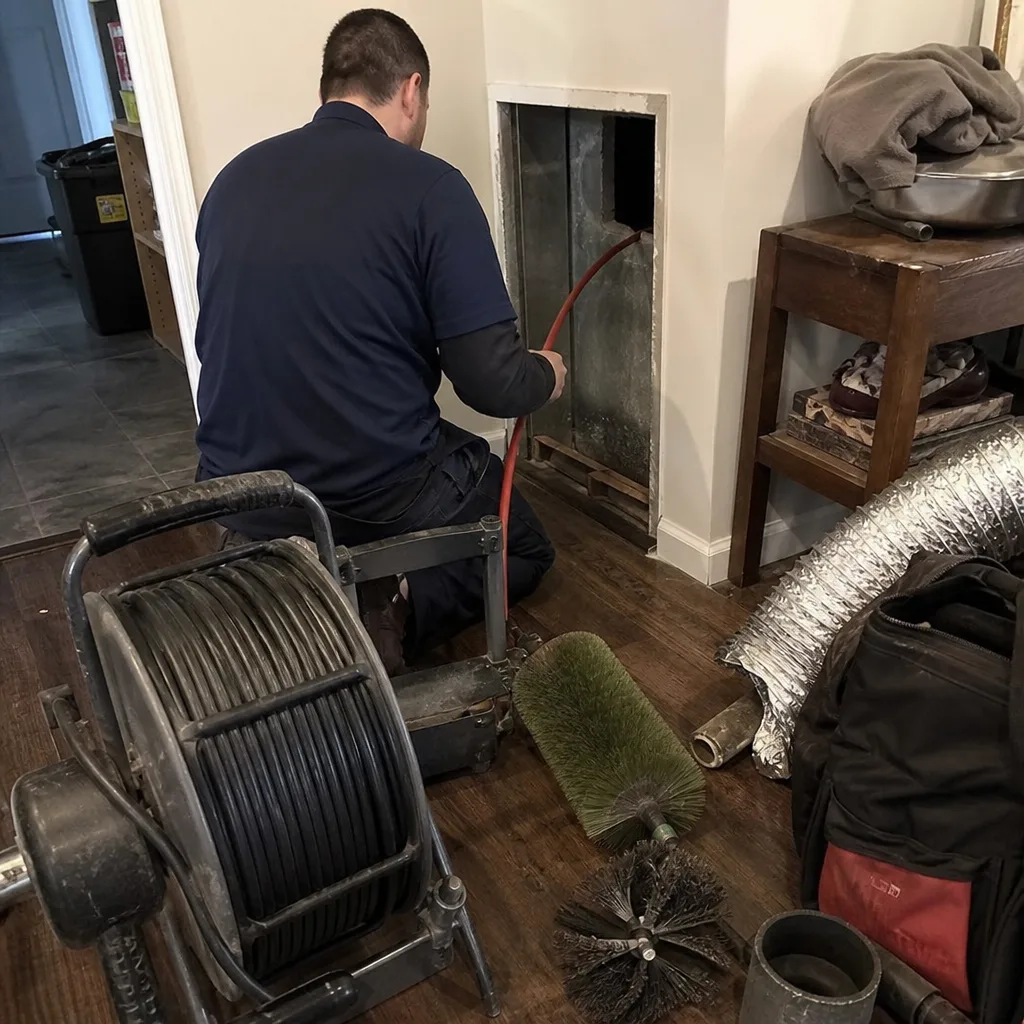 Before
 After
 Before
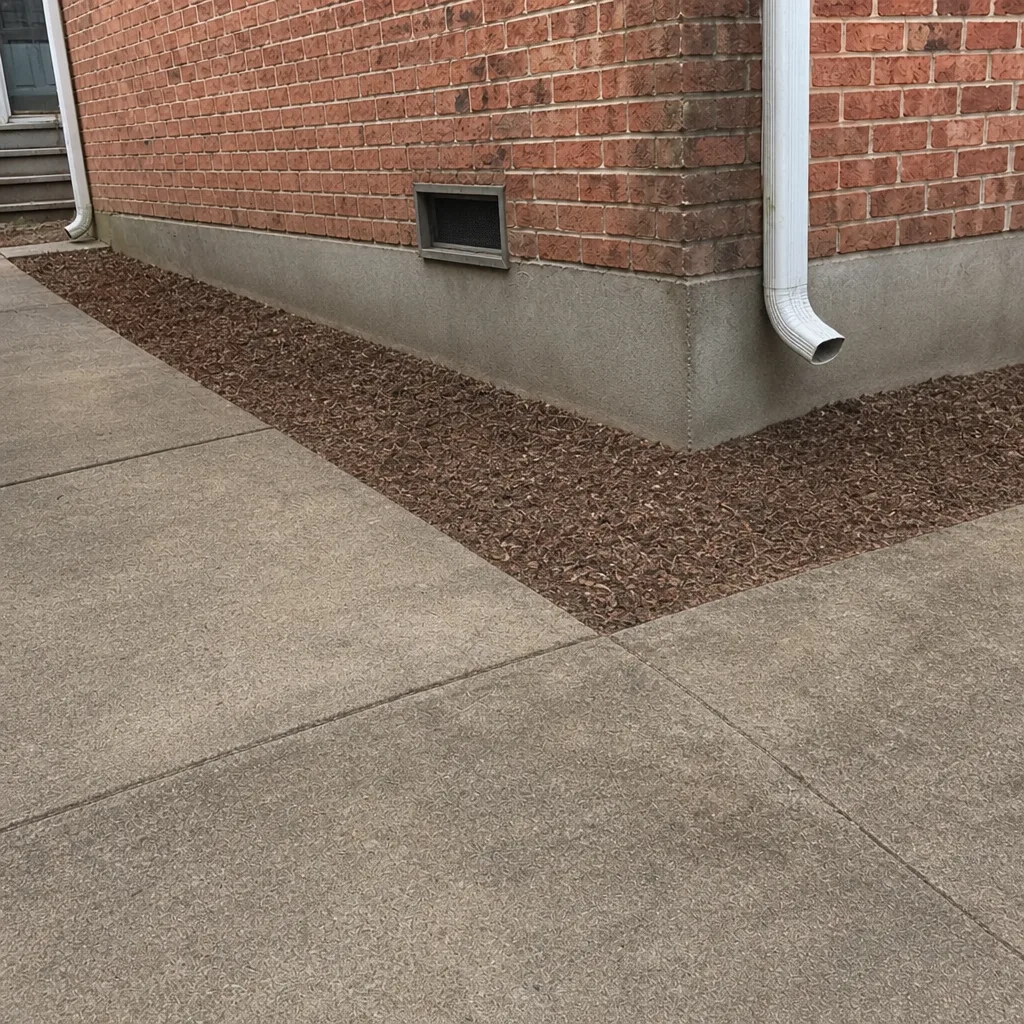 After
Common Mistakes to Avoid
- Buying cleaning as a first answer to a dust problem. Dust at the registers is more often filter bypass or a disconnected return than dirty ducts. Have the filter and the return checked first.
- Hiring on price alone. A duct cleaning quote that’s far below the rest of the Donelson market usually means no containment and no real vacuum at the end of the hose. Ask what equipment the company uses. Rotobrush and Nikro are widely recognized in the trade because they work; consumer-grade vacuums on a long hose don’t create the airflow needed to actually move debris out.
- Skipping the crawlspace check. Cleaning ducts in a Donelson crawlspace home without checking the flex runs above and below the floor is a cleaning that looks complete but isn’t. Ask whether the crawlspace is part of the inspection.
- Sanitizing without addressing the moisture. The odor returns every year and you pay for the treatment again. Find the moisture source.
- Ignoring the dryer vent. Lint accumulation in a long dryer vent run is a known fire hazard. Treat the vent as part of the same service.
- Putting off a call because one room is just a little off. Weak airflow in one room can be a detached run. Small today, expensive later if it’s pulling in crawlspace air.
- Not asking for before-and-after photos. A company confident in its work will show you what changed. Ask for photos of your own ducts, not stock images.
When to Call a Professional
Call a professional when a sign translates to a condition you can’t see or test from the living room. That includes any musty odor on the supply side, visible debris at the registers, a suspected detached or torn run in the crawlspace, recurring condensation on boots or subfloor, and a dryer vent you can’t see through. It also includes the case where you’ve changed the filter, the dust source isn’t obvious, and no one has looked at the duct system in years. A careful tech will bring the right equipment (rotary brushing, HEPA vacuum, containment), look at the filter and the crawlspace before touching the ducts, and lay out whether cleaning, repair, or both is warranted. For HVAC work beyond the ducts, HVAC cleaning covers the coil and air handler side so the whole air pathway gets addressed in one visit instead of two. Air Duct Cleaning Donelson connects Donelson homeowners with local professionals for free estimates. Call (866) 947-9316. We answer 24/7. Fast dispatch from 7am to 7pm, Sunday through Friday.
Frequently Asked Questions
The most common signs are visible dust at supply registers, musty odor when the fan runs, uneven room temperatures, and increased allergy symptoms indoors. In Donelson specifically, detached or sagging flex duct in the crawlspace is also common and often the real cause of the other symptoms. None of these signs is a guaranteed “clean the ducts” signal. Each one points to a condition that a technician should confirm before any service is scheduled. Call (866) 947-9316 for an exact quote. Estimates are free.
Air duct cleaning in Donelson typically runs a whole-system estimate rather than a per-vent price, and the final number depends on system size, number of registers, and whether repair or sanitizing is needed. The written estimate sets the final price, and there’s no charge to get one. A quote advertised far below the local market is usually missing containment, a real HEPA vacuum, or both. The honest figure is the one that covers the whole system. Call (866) 947-9316 for an exact quote. Estimates are free.
Because they’re quoting a different job. Cheap quotes often skip containment, use consumer-grade vacuums that can’t move enough air to remove debris, or clean only the visible register boots and not the runs. Professional-grade work uses rotary brushing and HEPA-rated vacuum, which is slower and more expensive to deliver. The comparison that matters isn’t price, it’s what’s actually being done. Ask what equipment will be on site. Call (866) 947-9316 for an exact quote. Estimates are free.
Ask for before-and-after photos of your own ducts, taken during the job, not a stock image from a brochure. If the cleaning was real, the difference is visible and the company is glad to show it. If a company won’t photograph the work, that’s an answer in itself. Call (866) 947-9316 for an exact quote. Estimates are free.
Most homes don’t need a set-interval cleaning. Cleaning is warranted when the system has accumulated debris from renovation, animal activity, moisture exposure, or years without service, or when a symptom is confirmed. Homes with pets, allergy-sensitive occupants, or recent remodeling tend to need it sooner. Homes with no symptoms and a well-sealed system often go many years without needing it. The honest answer is to clean when there’s evidence, not on a schedule. Call (866) 947-9316 for an exact quote. Estimates are free.
Only if the musty smell is coming from inside the ductwork or air handler, and only if the moisture source is corrected first. Cleaning followed by sanitizing with Guardsman-grade products can resolve odor from the ducts themselves. If the smell comes from standing water in the crawlspace, a leaking condensate pan, or high indoor humidity, cleaning the ducts will do nothing for it. Ask first, clean second. Call (866) 947-9316 for an exact quote. Estimates are free.
The Bottom Line
Air duct warning signs in a Donelson home are clues, not conclusions. Visible dust at a register often points to filter bypass. Uneven rooms often point to a detached or crushed flex run in the crawlspace. A musty odor points to moisture and needs a moisture answer before it needs a cleaning. Read the sign against the right condition, and you’ll spend money on the service that fixes it rather than on one that doesn’t. Air Duct Cleaning Donelson connects homeowners with local professionals who use Rotobrush and Nikro equipment, look at the whole air pathway, and can pair cleaning with repair and sealing in one visit. Call (866) 947-9316. We answer 24/7. Fast dispatch from 7am to 7pm, Sunday through Friday. Estimates are free.
Written by the team at Air Duct Cleaning Donelson.