
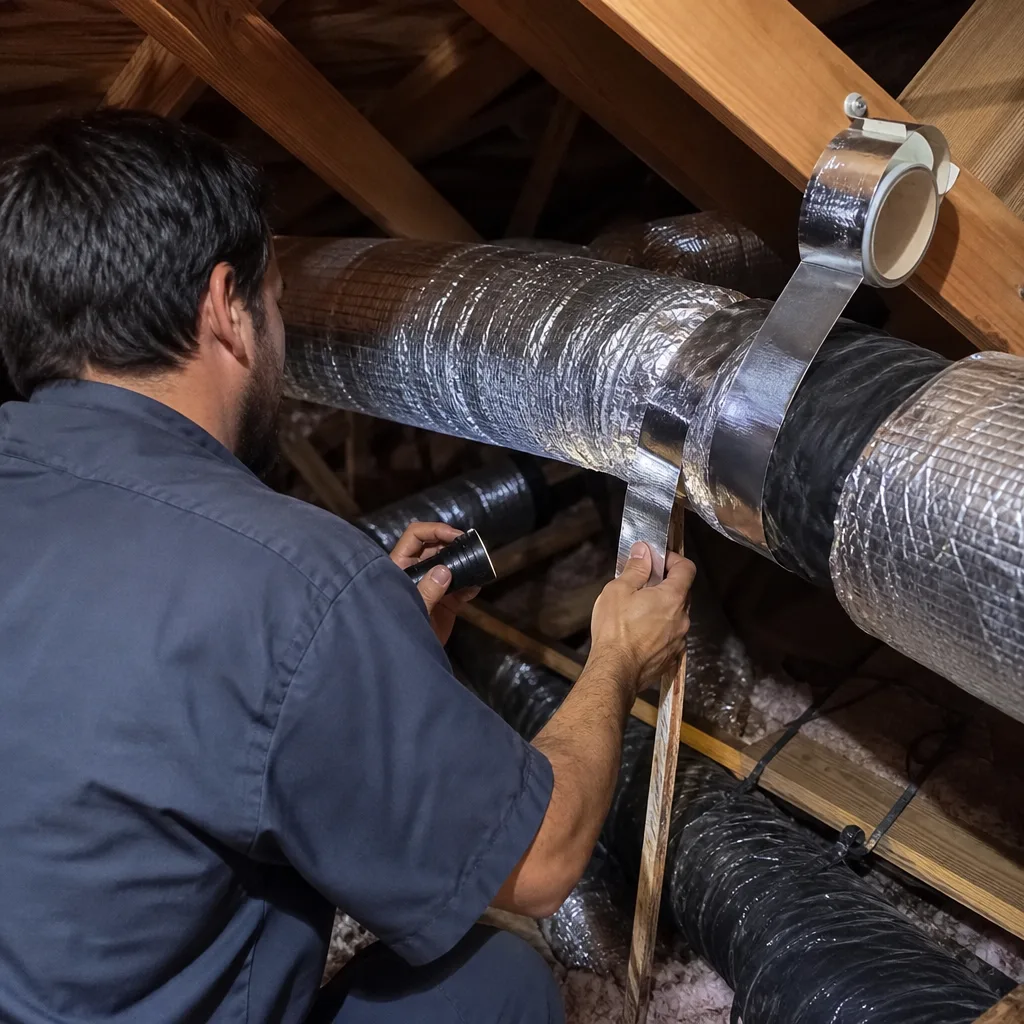
Last updated November 23, 2026
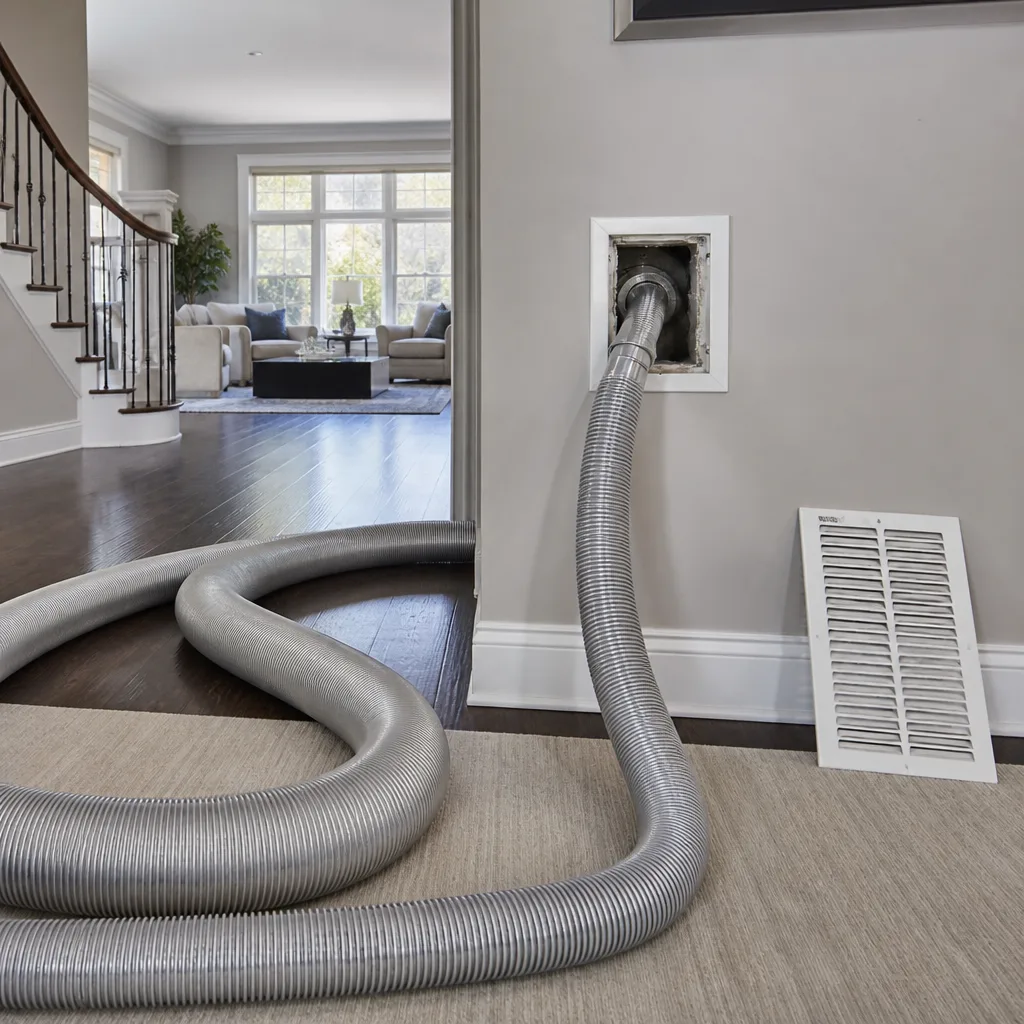 Whole-home duct cleaning
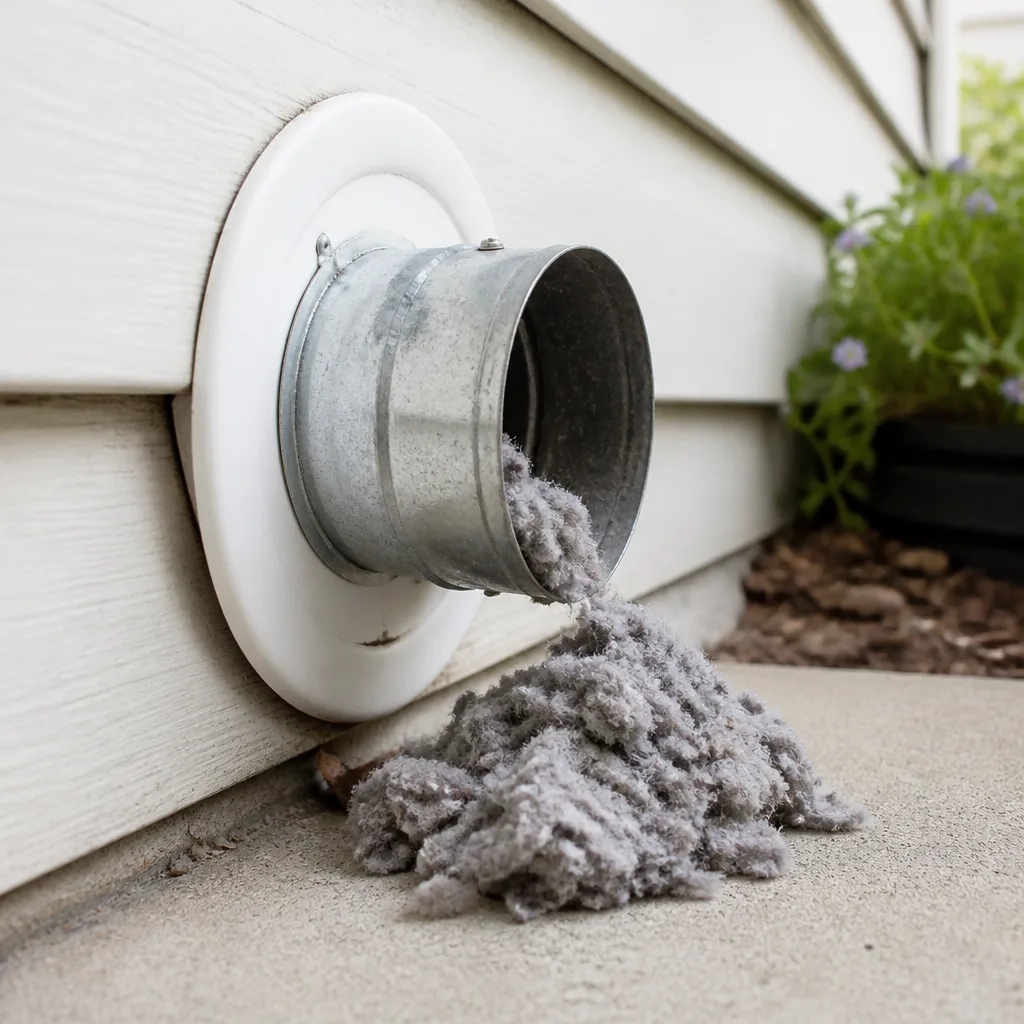 Dryer vent cleaning
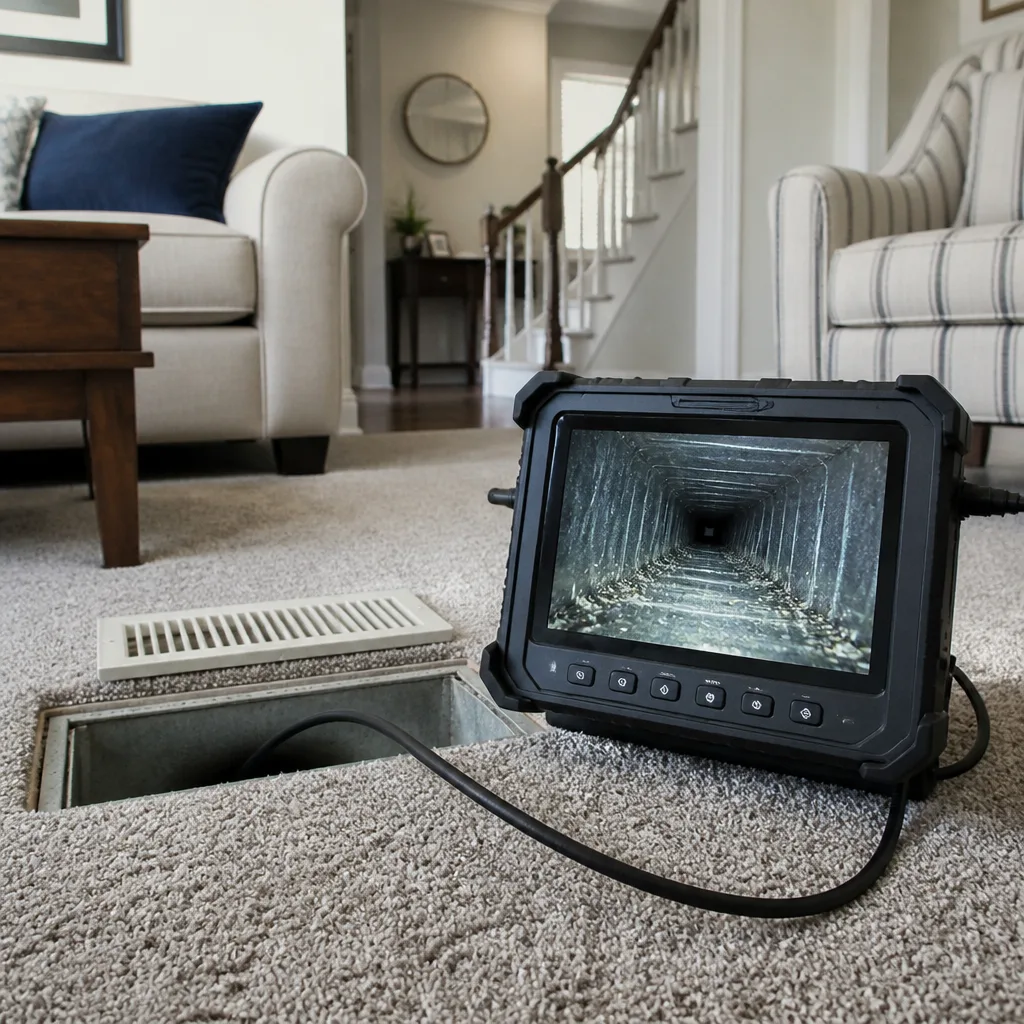 Camera inspection
 Sanitizing & deodorizing
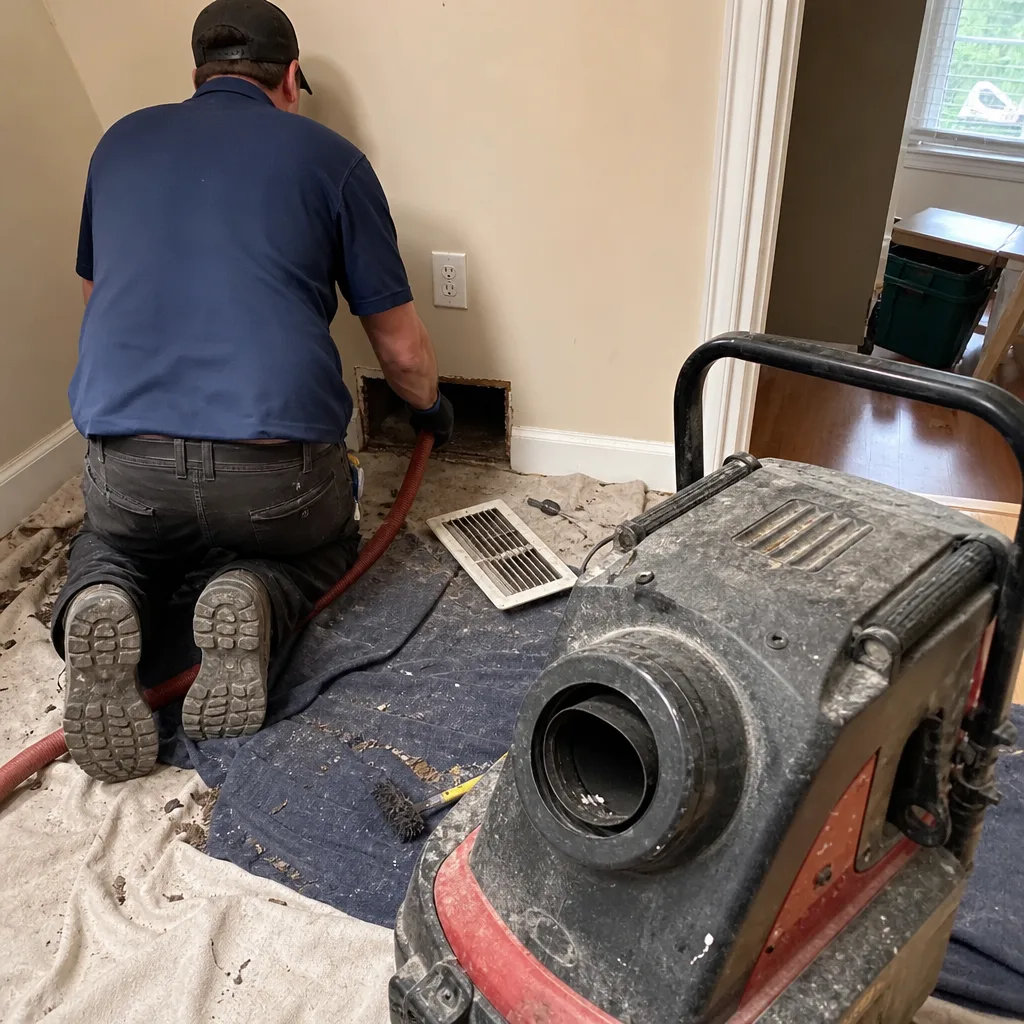
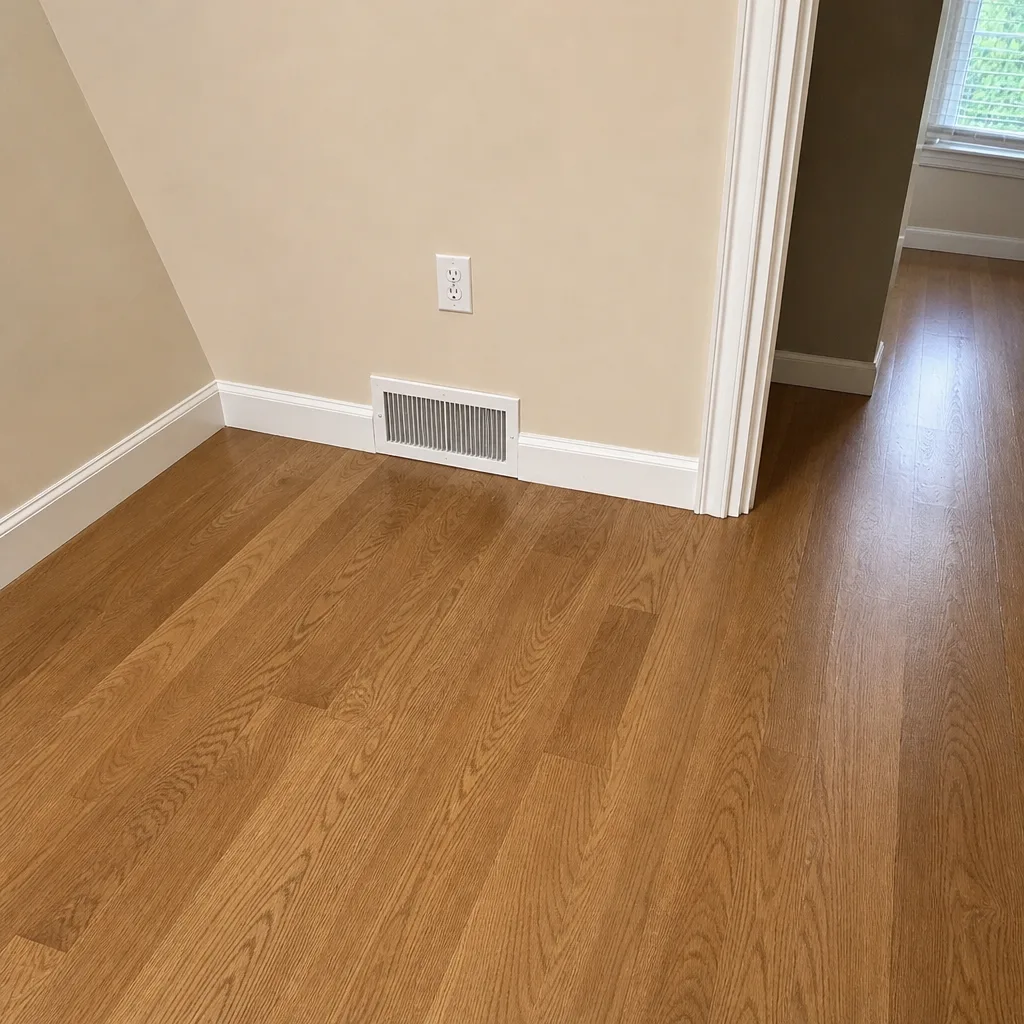
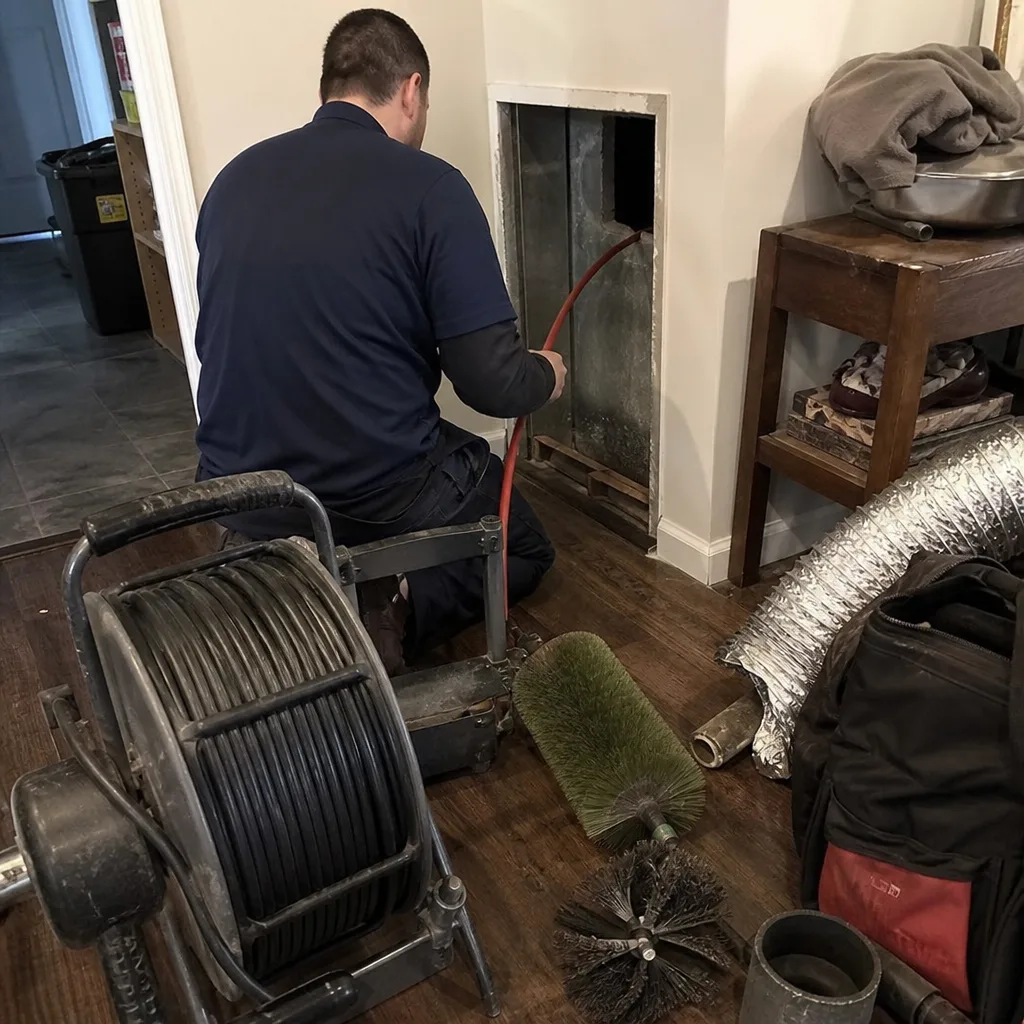
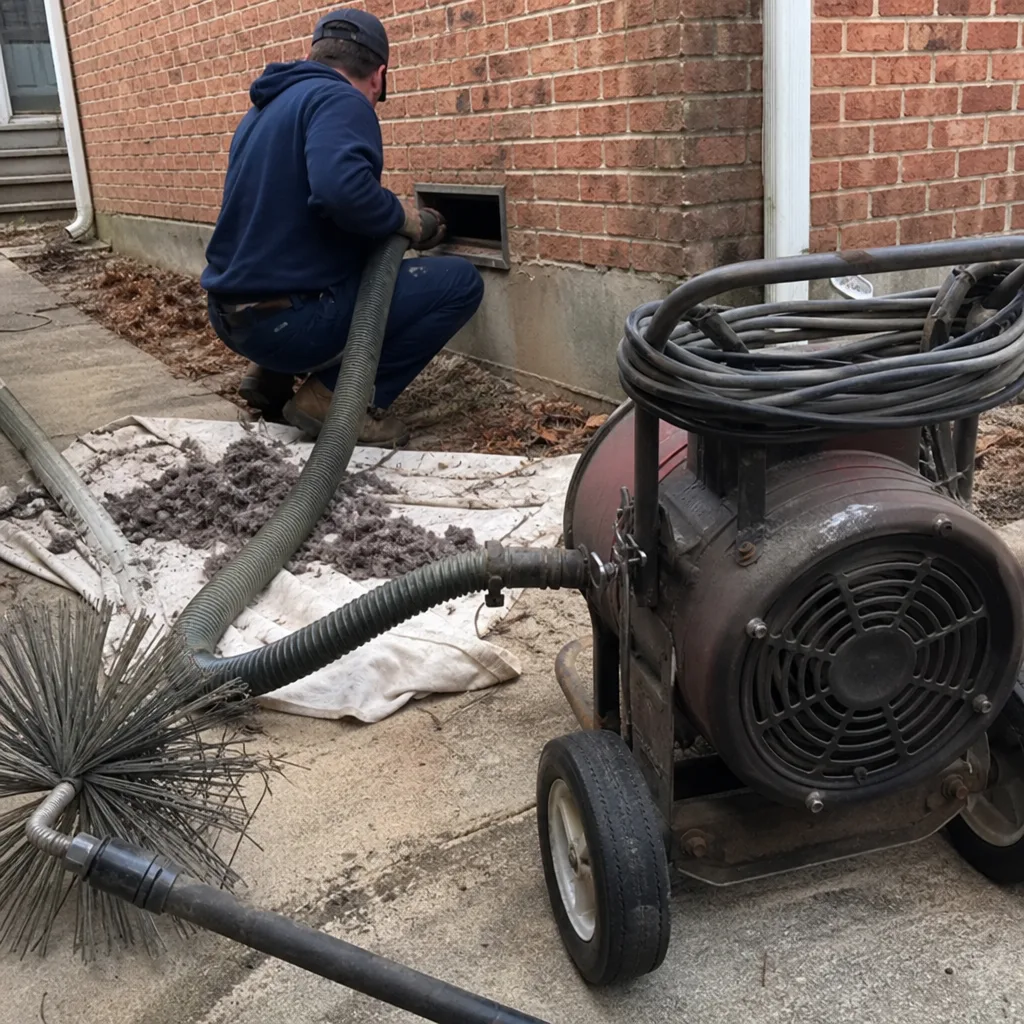
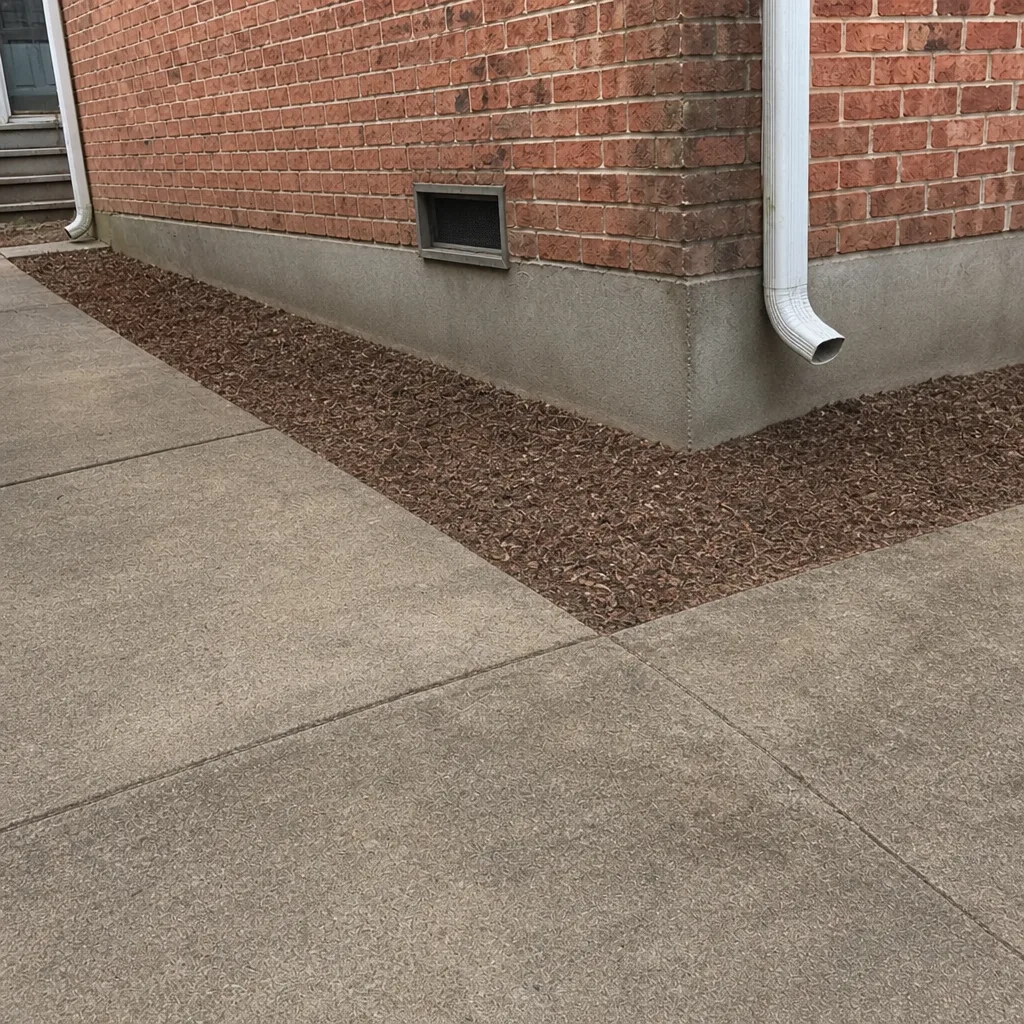
Whole-system duct and dryer vent check with before-and-after photos - you see exactly what came out of your vents
That "$99 whole-house special" is a bait ad - the real number appears once they are in your hallway, or the "clean" is a shop-vac at the register. We photograph the inside of your ducts before and after instead.
DIY vs Professional Air Duct Cleaning: The Donelson Homeowner’s Decision Guide
Most homeowners assume duct cleaning is a muscle problem: rent a stronger vacuum, work harder, and the ducts come clean. It isn’t. It’s a pressure problem. The gap between what you can pull out of a duct with a shop vac and what a professional machine can extract is the difference between removing debris and simply moving it around. In this guide, we’ll show you exactly what you can do yourself in a Donelson home, where DIY turns counterproductive, and how to decide without a sales pitch.
Quick Answer
You can handle grille washing, register-area vacuuming, filter upgrades, and a visual dryer vent check yourself. But any job where debris has to be pulled from deep in the duct run – brush agitation plus high-volume negative pressure – requires professional equipment, because consumer vacuums move roughly 100 to 150 CFM while truck-mounted duct systems move 2,000 to 4,000 CFM. For most Donelson homes, the decision comes down to whether contamination is sitting in the ducts or on the surface.
Styles & brands we work with
- Whole-home duct cleaning
- Dryer vent cleaning
- Camera inspection
- Sanitizing & deodorizing
Table of Contents
- Why Suction Pressure Decides the Outcome
- What You Can Legitimately Do Yourself
- Where DIY Creates New Problems
- Equipment Comparison: Machines, Not Effort
- When Professional Service Is Clearly Cost-Justified
- A Decision Framework for Your Home
- What Donelson Homes Deal With
- Common Mistakes to Avoid
Why Suction Pressure Decides the Outcome
Air duct cleaning is a two-part action: agitation and extraction. You have to loosen what’s stuck to the duct walls, then pull it out of the system and into a sealed container. Miss either half, and nothing improves.
A shop vacuum or consumer-grade duct kit produces somewhere between 100 and 150 cubic feet per minute of suction. That’s enough to pick up dust from a floor, and nowhere near enough to move the volume needed to evacuate a 30-foot length of trunk line. Truck-mounted or high-capacity professional systems push 2,000 to 4,000 CFM, which is what creates the negative pressure that lifts accumulated debris off the duct and carries it out.
You’ll see the second half of the job described as containment. A proper setup pulls a slight vacuum on the whole run and captures everything in a HEPA-rated container. The reason this matters in a Donelson home is simple: a duct system is connected to every room. If the debris isn’t captured, it comes out somewhere, and that somewhere is your living room.
Our technicians have up to 8 years of experience, and the single most common observation from that work is that DIY cleaning rarely fails because of the homeowner’s technique. It fails because the machine isn’t in the right class.
What You Can Legitimately Do Yourself
There’s real value in homeowner work, and we’d never talk you out of it. These tasks improve air quality and reduce the load on a system, and they don’t require industrial pressure to be worth doing.
- Remove and wash the floor and ceiling grilles. Grilles are the visible surface of the system and they collect a genuine amount of dust. Take them down, wash them in warm soapy water, dry them fully, and put them back. Doing this twice a year makes a noticeable difference to the dust sitting on your registers.
- Vacuum the accessible register boot. Once the grille is off, you can reach into the first few inches of the boot – the connection between the grille and the duct. A household vacuum with a brush attachment handles that area well.
- Check your filter. This is the highest-return, lowest-effort task on the list. A clogged filter chokes airflow, and restricted airflow raises the particle concentration in whatever air does get through. Follow the rating your HVAC system was designed for and change it on the schedule the manufacturer specifies.
- Do a visual dryer vent inspection. Look behind the dryer for crimped or crushed transition hose, and go outside and confirm the exterior damper opens freely and isn’t packed with lint. What you can see, you can track.
- Look for water where it shouldn’t be. Damp spots near your air handler or in the duct insulation tell you something the surface cleaning won’t fix.
Add up those tasks and you’ve genuinely improved the system. What you haven’t done is clean the duct interior.
Where DIY Creates New Problems
This is the part of the conversation most guides skip, and it’s the part that matters. Several DIY approaches don’t just underperform – they make things worse.
- Brushing without containment. Running a consumer brush through a duct without a sealed vacuum attachment loosens material that then drifts into the rooms. You’ve converted settled contamination into airborne contamination, which is the opposite of the goal.
- Fogging with over-the-counter antimicrobials. A fogger treats what it touches and only what it touches. Without source removal first, the debris is still there, now damp in some cases, and the fog has added moisture to a dark environment. Fogging is a step that follows cleaning, not a substitute for it.
- Cheap handheld duct kits. The flexible rods and small heads sold for homeowner use are designed for reach, not agitation. They skip over the dust bonded to the duct walls.
- Reaching into the furnace cabinet. The blower compartment and the coil area are not a DIY zone. There’s electrical equipment in there, and a bent fin or a dislodged wire turns a cleaning project into a repair.
- Using a leaf blower. It comes up online and it belongs in exactly one place: the driveway. Blowing loose air into a duct system distributes dust through the house.
If you take nothing else from this section, take this: the failure mode of DIY duct cleaning isn’t a poor result. It’s redistribution.
Equipment Comparison: Machines, Not Effort
The class of machine matters more than how long you spend, how careful you are, or how many passes you make. Here’s how the categories line up:
| Setup | What It Does | What It Can’t Do |
|---|---|---|
| Shop vacuum with brush | Picks up loose surface dust near a register | Reach beyond the first section; agitate bonded dust |
| Consumer duct kit (rods and heads) | Reaches further into the run | Create enough pressure to extract; contain the debris |
| High-capacity rotary brush system | Agitates the full duct surface while a sealed vacuum extracts | Replace trained positioning and containment |
| HEPA containment vacuum with full negative pressure | Holds the entire system under vacuum so debris goes to the filter, not the room | Substitute for a proper brush and access work |
When we do a cleaning, we run Rotobrush rotary brush systems paired with Nikro HEPA-rated vacuums, and we use Abatement Technologies equipment for containment. Those names aren’t decoration. Rotobrush is a rotary system built for duct interiors; Nikro’s HEPA units are rated to capture fine particulate; Abatement Technologies is equipment a remediation contractor would recognize. A home vacuum is none of those things.
For the full breakdown of what a professional cleaning covers, see Air Duct Cleaning Donelson.
When Professional Service Is Clearly Cost-Justified
Not every home needs duct cleaning. Some genuinely do, and in those cases the professional service isn’t a luxury. Five situations stand out:
- Debris from a recent renovation. Drywall dust is fine, alkaline, and it settles everywhere. If you’ve had walls opened, floors sanded, or a kitchen torn out, the dust has already entered the return side and settled in the duct system. Consumer vacuums won’t pull it out of a duct run.
- Confirmed mold indicators. Visible growth around the air handler, musty odor that gets stronger when the system runs, or damp insulation on a duct. That requires source removal and a treatment step, plus a look at why the moisture is there. Fogging over it doesn’t count.
- Rodent activity. Droppings near a register or in the return, scratching in the ductwork, or chewed insulation. Nesting material and droppings need to be removed with proper containment, and the gaps they used to get in should be sealed afterward.
- No service in five or more years. Ductwork degrades – joints open, flex duct tears, sealant cracks. Once the ducts are leaking, they pull attic and crawlspace air into the house. Cleaning and sealing together solves more than cleaning alone.
- Household health sensitivity. If someone in the home has asthma or significant allergies, the margin for airborne dust is smaller, and that pushes the balance toward extraction rather than agitation.
Each of these involves contamination that’s settled in the duct interior, not on the grille. That’s the dividing line.
A Decision Framework for Your Home
Forget the marketing pressure and answer four questions about your own house. They’ll tell you what to do.
- How old is the system? New construction and recent renovations both leave construction debris in the ducts. If the house is under a few years old, or you’ve just finished a project, have it checked.
- When was it last serviced? If the answer is never, or you don’t know, that’s your answer. Ductwork doesn’t self-clean.
- What condition are the ducts in? Look for disconnected flex duct in the attic, visible tears, or joints that have separated. Leaking ducts aren’t a cleaning problem, they’re a repair and sealing problem that includes cleaning.
- Does anyone in the home react when the system runs? If you notice more coughing, sneezing, or sinus irritation when the HVAC cycle starts, that’s a signal worth acting on.
Here’s the practical rule we’ve landed on: no symptoms and recent service means filter maintenance and grille washing are enough. Symptoms, recent renovation, visible growth, or a long gap since service means the duct interior needs to be evaluated. Our air duct cleaning page covers what a service visit includes.
What Donelson Homes Deal With
Dueting decisions in this part of the Nashville area run into a few consistent conditions. The first is the humidity. Summertime dew points near Donelson sit high enough that a duct system carrying cold air through an unconditioned attic sweats, and insulation stays damp. Damp insulation around a duct is one of the most common reasons a musty odor shows up in the summer and disappears in the fall. Any cleaning plan in a Donelson home should include a look at moisture, not just dust.
The second is the age of the housing. Much of the housing stock around Donelson was built with flex duct in attic runs, and flex duct is easy to kink, crush, or pull off its collar. A crushed run restricts airflow to a bedroom and shows up as that room never getting comfortable. That’s a repair issue, and sealing fixes it as a side benefit. If you’ve got a system that’s never had service, the odds of finding at least one disconnected run in the attic are higher than you’d expect.
Third, several Donelson neighborhoods sit in areas with mature tree cover. That means attic and crawlspace access points where rodents get in, and once they’re in, laundry in the ducts. Pest access and duct condition go together more often than most homeowners realize.
For the dryer side of the house, the lint and airflow concerns are a separate job with a separate safety profile. See dryer vent cleaning for that.
Common Mistakes to Avoid
- Mistaking a visible grille for a clean duct. A spotless register tells you nothing about the duct behind it. Duct contamination sits where you can’t see it.
- Running a consumer brush without containment. Agitation without extraction pushes debris into the rooms. The right sequence is containment first, then agitation, then extraction.
- Fogging instead of cleaning. A scent mask or an over-the-counter fogger covers the problem. If there’s a musty smell, the source has to come out, and damp insulation or mold around the air handler usually needs to be addressed as well.
- Cleaning when the real issue is a leaking duct. Leakage lets attic and crawlspace air into the system at every joint. Cleaning a leaking system is incomplete work. Sealing closes it.
- Ignoring the dryer vent. Lint accumulation in the exterior run is a fire hazard and a common cause of long dry times, and it’s a separate service from the ducts.
- Choosing on price alone. A surprisingly low quote usually means the equipment can’t achieve genuine negative pressure, or the job stops at the register. Ask which machine will be used and how the debris gets captured.
- Forgetting the filter afterward. After any cleaning, debris in the return still circulates. Change the filter promptly and confirm it’s the right rating for the system.
See the difference
 Before
 After
 Before
 After
 Before
 After
When to Call a Professional
Call a professional if you’re seeing visible growth around the air handler, evidence of mice or droppings, a musty smell that gets stronger when the HVAC runs, a renovation that left dust behind, or ductwork that’s never been serviced. The same is true if someone in the home reacts when the system cycles on. We connect Donelson homeowners with independent local professionals whose work can include duct repair and sealing alongside cleaning, plus air quality upgrades using Honeywell and Aprilaire products, so a filtration or humidity issue can be addressed in the same visit rather than by a second contractor. Our HVAC cleaning page covers the system-side work. Air Duct Cleaning Donelson offers free estimates in Donelson – call (866) 947-9316. We answer 24/7. Fast dispatch from 7am to 7pm, Sunday through Friday.
Frequently Asked Questions
Not effectively. A shop vacuum produces roughly 100 to 150 CFM, while professional duct systems move 2,000 to 4,000 CFM. The machine class is the issue, not technique – you can vacuum grilles and the first few inches of a boot yourself, but the duct interior needs real negative pressure and containment. Call (866) 947-9316 for an exact quote on your system – estimates are free.
Pricing is set per job by a written estimate, based on the size of the system, the number of runs, and whether repair or sealing is needed. We don’t quote per vent, and we don’t lead with a coupon number that grows once a technician is on site. Call (866) 947-9316 and we’ll give you a real range before anything is booked.
Usually because the equipment can’t do the job. A low quote often means a shop-style vacuum and a brush that only reaches the register, or a crew that skips containment entirely. Ask which machine will be used and how debris is captured before you book. One flat price per system agreed before work starts is the standard to hold anyone to. Call (866) 947-9316 for a quote you can compare.
Ask for before-and-after photos of your own ducts, not stock images. In our experience, a properly equipped job produces a visible difference in the duct interior and in the return, and a good provider is happy to photograph it. Call (866) 947-9316 and we’ll walk you through what a service includes.
Most homes don’t need it on a fixed schedule. Filter changes and grille washing handle routine upkeep, and a cleaning is warranted when there’s a reason: renovation dust, moisture, rodent activity, or a long gap since the system was serviced. Repeated symptoms are the signal, not the calendar. Call (866) 947-9316 for an assessment.
Yes. Drywall dust is fine, alkaline, and it migrates into the return side as soon as the system runs. A consumer vacuum won’t pull it out of a full duct run, and the fine particulate is the part you most want captured rather than blown around. Call (866) 947-9316 to schedule an evaluation.
The Bottom Line
Homeowner work has a real place in air quality: grille washing, register vacuuming, filter maintenance, and a visual dryer vent check all pay off. What doesn’t pay off is trying to clean a duct interior with a machine that can’t create the pressure. The physics don’t change because you worked harder.
So make the call on conditions, not on marketing. Grilles and filters, you handle. Renovation debris, musty odor, rodent evidence, mold indicators, or a system that’s never been serviced, you bring in equipment that can pull it out and contain it. That’s the whole decision framework, and it holds in any Donelson home.
If you’re in Donelson and want an honest read on which side of that line you’re on, call (866) 947-9316. We answer 24/7. Fast dispatch from 7am to 7pm, Sunday through Friday. Estimates are free, and the price is set per job by the written estimate before any work begins.
Written by the team at Air Duct Cleaning Donelson.